



 Garden The PlantShare Way ®


~ All About Yellow Jessamine ~


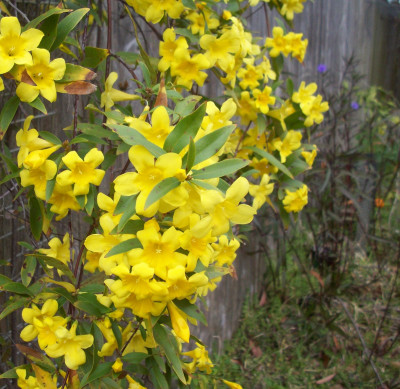
Carolina Jessamine (Gelsemium sempervirens) is a striking, fragrant vine that can brighten any garden with its golden blooms. Understanding Carolina Jessamine care is essential for beginners who want a healthy and vibrant plant. This perennial thrives in well-draining soil and prefers full sun to partial shade. Regular watering during the first growing season helps establish strong roots, while mature plants tolerate short periods of drought. Mulching around the base keeps soil moist and reduces weeds, simplfying maintenance.
Proper pruning is crucial for encouraging blooms and controlling growth. Prune lightly after flowering in late spring to shape the plant and remove dead or weak stems. For more extensive shaping, wait until after bloom to avoid cutting off next year’s flowers. Pruning also helps prevent the vine from becoming overgrown or invasive.
Carolina Jessamine propagation is easily done via softwood or semi-hardwood cuttings taken in late spring or early summer. Cuttings should be 4–6 inches long, with leaves removed from the lower half. Dipping the cut ends in rooting hormone and planting in moist, well-draining soil encourages faster root development. While propagation from seeds is possible, it is slower and less reliable than cuttings.
This versatile plant can also function as ground cover, creating a lush carpet of green that brightens shady corners and slopes. It grows well across many hardiness zones, typically USDA zones 7 through 9, and being a perennial, it reliably returns year after year with proper care.
Iris cristata adding ground level interest underneath Carolina Jessamine, especially in woodland or partially shaded gardens. Dwarf crested iris is a low-growing perennial that produces delicate blue to lavender flowers in early spring. It thrives in similar conditions: well-drained soil, partial shade, and moderate moisture. While Carolina Jessamine provides vertical interest and vibrant yellow blooms, Iris cristata adds a soft ground layer and contrasting cool-toned flowers. Together, they create a balanced planting scheme with layered height, complementary colors, and extended seasonal interest.
With proper watering, timely pruning, and thoughtful companion planting, Carolina Jessamine becomes a fragrant and versatile feature that enhances garden spaces year after year.
Yes, all parts of Carolina Jessamine are poisonous. Eating the leaves, flowers, or stems can cause nausea, vomiting, dizziness, or more serious effects. Handle the plant carefully and keep it away from children and pets.
The best time to prune is right after it finishes flowering in late spring. Light pruning can shape the plant any time, but heavy cuts are safest after bloom to avoid removing next year’s flowers.
You can propagate it by softwood or semi-hardwood cuttings in late spring or early summer. Take 4–6 inch stems, remove lower leaves, dip in rooting hormone, and plant in moist soil. Seeds can be used but take much longer to grow.
Plant in full sun to partial shade with well-draining soil. Water regularly during the first year to establish roots, then it can tolerate some drought. Support climbing with a trellis or fence. Fertilize lightly in spring, and prune after flowering to keep it healthy and neat.
Last updated on Nov 10, 2026
Species suggested by: Catherine Ko, 2022
Plant Profile compiled and written by: Team PlantShare
Contributors: Team PlantShare
 Ask Us!