



 Garden The PlantShare Way ®

~ All About Marginata Caribbean Agave ~


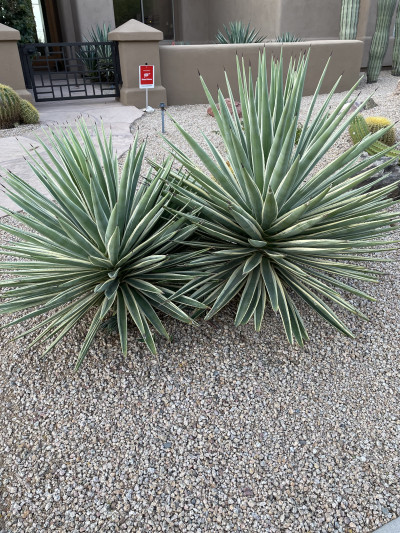
Agave angustifolia is a striking succulent that adds architectural interest to any garden. Its narrow, sword-shaped leaves form dense rosettes, creating a dramatic focal point in xeriscapes, rock gardens, or container arrangements. This plant is ideal for gardeners seeking a low-maintenance option with a strong visual impact.
One of the main advantages of Agave angustifolia is its resilience. It thrives in well-draining soil, such as sandy or gritty mixes, which prevent root rot. When planting outdoors, choose a spot with full sun to partial shade. This species tolerates heat exceptionally well and can handle periods of drought once established. For container growth, use a cactus or succulent soil blend to ensure proper drainage.
Watering Agave angustifolia requires a cautious approach. Allow the soil to dry completely between waterings. Overwatering can quickly lead to root damage, while too little water in established plants rarely poses a problem. Fertilize sparingly during the growing season with a balanced, low-nitrogen fertilizer to promote healthy leaf growth without encouraging excessive softness.
Propagation is straightforward through offsets, which emerge at the base of mature plants. These pups can be separated and replanted to expand your garden or share with fellow gardeners. Agave angustifolia occasionally produces a tall flower spike, often after many years, signaling the plant’s natural life cycle. After flowering, the main rosette typically dies, but offsets continue to grow.
As a companion plant, Muhlenbergia capillaris offers a beautiful contrast. Commonly known as Pink Muhly Grass, it forms airy, cloud-like pink plumes in late summer and fall. While Agave angustifolia provides strong, sculptural lines and evergreen structure, Muhlenbergia capillaris introduces softness, movement, and seasonal color. Both plants thrive in full sun and well-drained soil, and both are drought-tolerant once established. The combination creates a balanced landscape design, bold and structured at ground level with graceful, flowing texture above.
By pairing Agave angustifolia with compatible companions like Pink Muhly Grass, gardeners can create a visually dynamic, low-maintenance planting scheme that delivers year-round interest and striking contrast.
Agave angustifolia has narrow, pointed leaves that form tight rosettes, unlike some agaves with wider or shorter leaves. It tends to grow faster than many larger, slower-growing agave species and often stays more compact, making it suitable for smaller gardens or container planting. Its leaf color is usually blue-green to gray-green, which distinguishes it from species with bright green or variegated leaves.
This agave prefers full sun but can tolerate partial shade, especially in very hot climates. Ideally, it should receive at least 6 hours of direct sunlight daily. Too little light can make the leaves stretch and lose their tight rosette form.
Yes, the leaves contain strong fibers that can be extracted and used for making ropes, mats, or other crafts. However, extracting fibers requires peeling and processing the leaves carefully, as the edges have sharp spines. Many people grow it more for ornamental value than for fiber production.
Yes. Like most agaves, it is monocarpic, meaning the main rosette dies after producing a flower spike. However, the plant often produces offsets or “pups” around its base before or after flowering, which continue to grow and maintain the colony.
Common pests include agave snout weevils, scale insects, and mealybugs. Snout weevils can bore into the base, causing rot, while scale and mealybugs feed on sap and weaken the plant. Regular inspection, proper drainage, and removing affected leaves can help prevent infestations.
Last updated on May 31, 2026
Species suggested by: Catherine Ko, 2022
Plant Profile compiled and written by: Team PlantShare
Contributors: Catherine Ko
 Ask Us!