




 Garden The PlantShare Way ®

~ All About Moth orchid ~


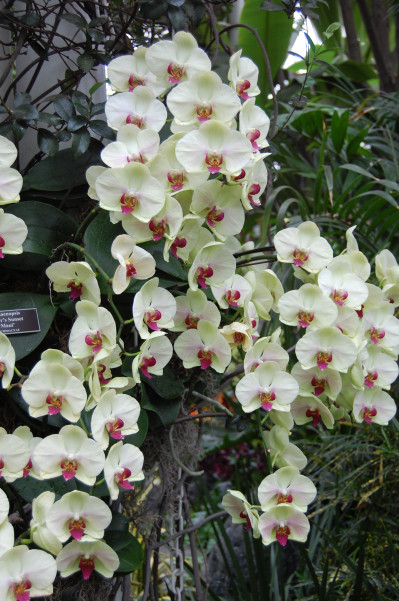
Learning Phalaenopsis orchid (Phalaenopsis hybrid) care helps beginners grow healthier plants with longer-lasting blooms. These orchids, often called Moth orchids, thrive when you understand how they grow and what they need to stay strong. Start by choosing the right spot. Good light requirements include bright, indirect light that never burns the leaves. A windowsill with filtered sun or a location near a bright window works well for steady growing.
Moth orchids prefer warm days, cooler nights, and steady airflow. Keep temperatures between 65–80°F and avoid sudden drafts. Watering correctly plays a big role in overall health. Water only when the potting mix feels dry, then let excess water drain out completely. These orchids dislike soggy roots, so use a bark-based mix that dries evenly. Light feeding every few weeks helps the plant produce strong leaves and healthy roots.
Encouraging Phalaenopsis orchid reblooming becomes easier once the plant settles into a stable routine. After the initial flowers fade, trim the spike just above a node. With enough light and gentle temperature drops at night, the orchid often sends out a new branch with fresh buds. If the plant looks tired or the spike dries out, allow it to rest. New spikes usually appear once the plant stores enough energy.
Repotting every one to two years keeps the roots healthy and prevents overcrowding. Choose a clear pot so you can monitor root color and moisture levels. Healthy roots look firm and green after watering.
As a companion plant, consider adding Chlorophytum comosum, commonly known as the spider plant. This easy-care houseplant pairs well with Phalaenopsis orchids because it thrives in similar bright, indirect light conditions. Spider plants are adaptable and tolerate occasional missed waterings, making them a low-maintenance partner in the same room or plant display.
Consistent plant care turns these elegant plants into reliable repeat bloomers. With the right balance of warmth, light, and careful watering, Phalaenopsis hybrid rewards you with long-lasting flowers that brighten any indoor space. This simple routine builds confidence for anyone new to orchids, and it sets the stage for successful growing for years to come.
Give the plant bright, indirect light and keep it in a warm room. Water when the potting mix feels dry, and let all extra water drain out. Use a bark-based mix so the roots can breathe. Feed lightly every few weeks, and keep the temperature steady to help the plant grow strong leaves and roots.
Choose two healthy orchids you want to cross. Use a small tool or toothpick to transfer pollen from the first plant to the stigma of the second plant. The seed pod forms slowly and may take months to mature. After it ripens, the seeds must be grown in sterile conditions, usually in a lab or special setup. Orchid hybridizing takes patience, but it allows you to create new traits.
Phalaenopsis orchids grow naturally in warm, humid forests of Southeast Asia, including areas like Indonesia, Taiwan, and the Philippines. They often attach themselves to tree trunks where they receive filtered light and steady moisture from the air.
Yes, Phalaenopsis orchids make excellent indoor plants. They handle average home temperatures well and thrive with the right amount of indirect light. Their simple care needs and long-lasting blooms make them one of the most popular orchids for indoor growing.
Last updated on Jun 03, 2026
Species suggested by: Catherine Ko, 2022
Plant Profile compiled and written by: Team PlantShare
Contributors: Team PlantShare & Catherine Ko
 Ask Us!