


Black Heuchera

 Garden The PlantShare Way ®
~ All About Coral bells ~


Growing Coral bells (Heuchera hybrids) is a simple way to add long-lasting color and texture to any garden. When planting Coral bells, start with rich, loose soil that drains well. These plants adapt to many settings, but they thrive when their environment matches proper light requirements. Morning sun and afternoon shade work best for most varieties, especially in warmer climates.
Consistent moisture supports healthy growth, so follow steady water requirements. Keep the soil evenly moist during the first season, then water during dry periods. Light mulching helps regulate soil temperature and keeps the roots protected. Once your plants settle, routine Coral bell plant care includes fertilizing lightly in spring and removing damaged foliage to encourage fresh growth.
If you want more plants, try propagating Heuchera plants through division or cuttings. Division is the most reliable method. Mature clumps often rise out of the soil over time, which signals that dividing is needed. Early spring or fall works best, and dividing older plants also improves their vigor.
Gardeners should understand common Heuchera hybrids plant problems, such as wilting from heat stress, root rot from soggy soil, or leaf damage from vine weevils. Good drainage, proper watering, and occasional inspections help prevent most issues.
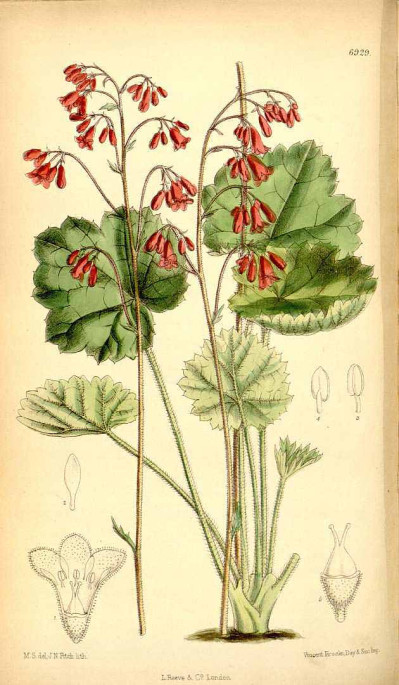
Bloom performance varies, but understanding blooming time helps you plan your garden. Most Heucheras send up delicate flower spikes in late spring or early summer, attracting hummingbirds and pollinators. While foliage is the main feature, these blooms add an elegant touch.
If you need to move a plant, follow the right steps for transplanting. Lift the root ball carefully, replant at the same depth, and water well to help the plant reestablish.
From deep purple to lime green and even multicolored foliage, Coral bells offer almost endless design possibilities for any shaded or partially sunny landscape.
Plant them in early spring or early fall. Cooler weather helps the roots settle before extreme heat or cold arrives.
Many Heuchera hybrids act as semi-evergreen or evergreen in mild climates. In colder regions, they may lose some leaves but grow back in spring.
Give them partial shade, loose soil, and steady moisture. Avoid standing water and remove old leaves to keep the plant healthy.
Coral bells are perennials. They return each year when planted in the right climate.
Divide them in early spring or early fall. This strengthens older plants and lets you create new ones.
Water during dry spells, mulch lightly, and trim damaged leaves. Fertilize once in spring and check for pests like vine weevils.
Yes. Coral bells produce small, airy flower spikes in late spring or early summer. Many varieties attract hummingbirds.
Last updated on May 31, 2026
Species suggested by: Dina Russell, 2022
Plant Profile compiled and written by: Team PlantShare
Contributors: Team PlantShare
 Ask Us!

