



 Garden The PlantShare Way ®
~ All About Black Cohosh ~


Black cohosh (Actaea racemosa) is a hardy perennial native to North America, prized both for its ornamental value and traditional medicinal history. Known for its tall, elegant flower spikes and lush leaves, this plant thrives in shaded gardens with moist, well-drained soil. If you are interested in growing Actaea racemosa, choose a spot that mimics its natural woodland habitat, ensuring it gets protection from harsh afternoon sun.
There are many uses of Actaea racemosa, most notably in herbal medicine for supporting women’s health, particularly during menopause. While modern research is ongoing, the root has been used in traditional remedies for centuries. In addition to herbal preparations, homeopathic medicine is available in diluted forms and is marketed for various health purposes. However, it’s important to consult a qualified healthcare provider before using any medicinal product made from this plant.
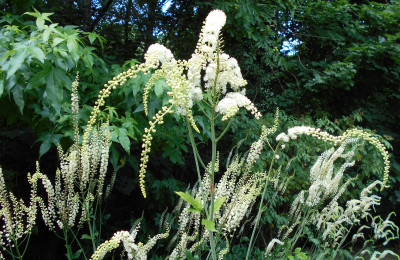
When planting, space clumps about two feet apart to allow for mature growth. Mulch around the base to retain moisture and suppress weeds. The foliage remains attractive throughout the summer, while the tall, creamy-white flower spikes create a striking display in shaded borders. Mature plants develop dense, textured leaves that provide structure and visual interest in woodland-style gardens.
For gardeners seeking complementary plants, Iris sibirica (Siberian iris) makes an excellent companion for Actaea racemosa. Its upright, sword-like leaves contrast beautifully with the feathery black cohosh foliage, and the vibrant blue, purple, or white flowers add seasonal color. Iris sibirica also prefers moist, well-drained soil and partial shade, making it a low-maintenance partner that enhances both the beauty and structure of shaded garden beds.
By pairing Actaea racemosa with companions like Iris sibirica and providing proper soil, light, and spacing, even beginner gardeners can enjoy a woodland-inspired border filled with elegance, texture, and lasting appeal. This combination not only looks stunning but also creates a resilient and harmonious planting scheme in shaded areas.
Last updated on May 31, 2026
Species suggested by: Dina Russell, 2022
Plant Profile compiled and written by: Team PlantShare
Contributors: Team PlantShare & Jeffrey Lazar
 Ask Us!