



 Garden The PlantShare Way ®

~ All About Queen of the prairie ~


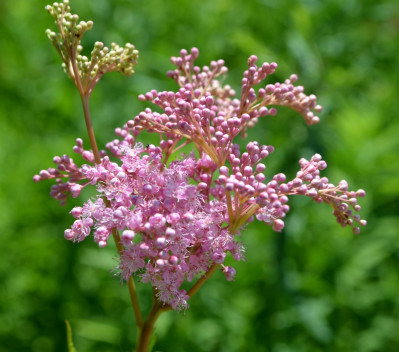
If you want a bold, eye-catching perennial for your garden, Filipendula rubra is an excellent choice. Known as queen of the prairie, this tall native plant brings both beauty and ecological value to landscapes. Its feathery plumes of pink flowers stand out in mid to late summer, creating a striking display that lasts for several weeks. Pollinators such as bees and butterflies are especially drawn to its blossoms, making it a favorite in wildlife-friendly gardens.
Growing Filipendula rubra is easier when you understand its natural preferences. This plant thrives in moist, fertile soil that retains water, making it a great option for rain gardens, pond edges, or any consistently damp spot. It tolerates both full sun and partial shade, but the most abundant blooms appear when it receives plenty of sunlight. In hot climates, some afternoon shade helps protect the foliage from stress.
Height is one of its most impressive features. Mature clumps can reach 4 to 6 feet tall, with sturdy stems that hold their shape even in wind and rain. The airy flower clusters rise above the foliage, adding texture and movement to the garden. For best results, space plants generously so they have room to spread and develop a strong root system.
Once established, Filipendula rubra requires little maintenance beyond regular watering in dry spells. Deadheading is not necessary, but leaving the flower heads can provide visual interest and food for birds in the fall. Dividing clumps every few years keeps the plant vigorous and prevents overcrowding.
For a harmonious planting design, Filipendula rubra pairs beautifully with other moisture-loving perennials. Iris sibirica is an excellent companion, offering upright, grass-like foliage and elegant blue, purple, or white blooms in late spring to early summer. Its earlier flowering period complements the later blooms of Filipendula, extending seasonal interest while sharing similar soil and moisture needs.
Another ideal companion is Astilbe chinensis, which thrives in moist soil and partial shade. Its feathery flower plumes echo the soft texture of Filipendula rubra while adding contrasting colors such as pink, red, or lavender earlier in the summer. Astilbe also fills in lower garden layers, creating a lush, full look beneath taller plants.
Whether you want a statement piece in a perennial border or a pollinator magnet in a naturalized setting, Filipendula rubra delivers both beauty and resilience. With the right conditions, it will reward you with years of dramatic color and seasonal charm.
It grows best in moist, rich soil that holds water well. Wet meadows, stream edges, or garden beds with consistent moisture are ideal. Dry or sandy soil makes it struggle.
The plant blooms in mid to late summer, usually from July to August. Its fluffy pink flower clusters can stay attractive for about three to four weeks.
Filipendula rubra grows well in both. It flowers most strongly in full sun, but it can also handle partial shade, especially in hot regions where shade helps protect the leaves.
In a garden setting, it often reaches 4–6 feet tall (about 1.2–1.8 meters). The height and large flower plumes make it stand out as a bold background plant.
Last updated on May 31, 2026
Species suggested by: Catherine Ko, 2022
Plant Profile compiled and written by: Team PlantShare
Contributors: Team PlantShare
 Ask Us!