



 Garden The PlantShare Way ®
~ All About California fairy duster ~


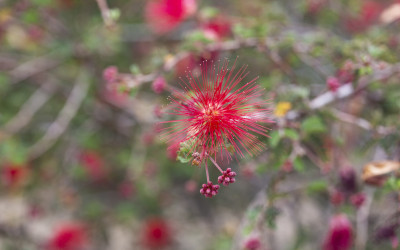
The fairy duster (Calliandra californica) is a hardy, low-maintenance shrub that thrives in dry, sunny environments. Known for its unique, pink-to-red powder-puff flowers, it adds vibrant color to desert and drought-tolerant gardens. Understanding its plant care is essential for keeping this plant healthy and blooming throughout the warm months.
Start by planting in full sun with well-draining soil. This shrub tolerates poor soil quality but performs best in sandy or rocky conditions. Once established, it requires minimal watering, making it a great choice for water-wise landscaping. Overwatering should be avoided, as it can lead to root rot. Pruning after flowering will help maintain shape and encourage new growth.
Fairy duster adaptations make it well-suited for harsh climates. Its fine, feathery leaves reduce water loss, and its deep roots allow it to survive extended droughts. The plant also attracts pollinators like hummingbirds and butterflies, adding movement and life to your garden. Its ability to handle extreme heat makes it a reliable option for desert landscapes.
To enhance both visual interest and water efficiency, Agave parryi makes an excellent companion plant for Calliandra californica. This compact agave features thick, blue-gray leaves arranged in a neat rosette, creating a striking contrast against the fairy duster’s soft foliage and airy flowers. Like Calliandra californica, Agave parryi thrives in full sun, prefers well-draining soil, and requires very little water once established, making the two plants naturally compatible in xeriscape and desert garden designs.
Fertilizing is generally unnecessary, but a light application of a balanced, slow-release fertilizer in early spring can boost flowering. Mulching around the base will help retain moisture and control weeds.
With the right Calliandra californica plant care, you can enjoy a long season of striking blooms and a landscape plant that thrives where others struggle. Its resilience and beauty make it a top choice for beginner gardeners in warm, dry regions.
Last updated on May 31, 2026
Species suggested by: Catherine Ko, 2023
Plant Profile compiled and written by: Team PlantShare
Contributors: Team PlantShare
 Ask Us!

