



 Garden The PlantShare Way ®

~ All About Dawe's Aloe ~


Aloe dawei is a striking succulent that adds architectural interest to any garden or indoor collection. Known for its upright, fleshy leaves and vibrant flower spikes, Aloe dawei is both hardy and visually appealing. This plant thrives in bright light and well-draining soil, making it ideal for rock gardens, succulent arrangements, or container planting.
Understanding Aloe dawei growing conditions is key for beginner gardeners. Provide full sun or bright, indirect light to encourage healthy leaf color and compact growth. During the growing season, water deeply but allow the soil to dry completely between watering sessions. Overwatering can easily lead to root rot, so using a porous, sandy soil mix is essential.
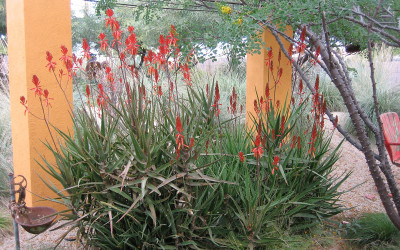
One of the most attractive features of Aloe dawei is its flower display. In late winter to early spring, the plant produces tall spikes with tubular, reddish-orange flowers that attract hummingbirds and pollinators. Regular feeding with a diluted succulent fertilizer during active growth supports strong flowering and overall plant health.
Caring for Aloe dawei also involves occasional pruning of old or damaged leaves to maintain a tidy appearance. If growing in a container, ensure the pot has drainage holes to prevent standing water. Propagation is straightforward: offsets can be separated from the main plant in spring or summer and planted in their own well-draining mix to form new specimens.
Aloe dawei is often compared to Aloe vera, one of the most widely recognized aloe species due to its medicinal and cosmetic uses. While Aloe vera is valued primarily for the soothing gel inside its leaves, Aloe dawei is grown mainly for its ornamental form and dramatic blooms. Both species share similar care requirements, including bright light, infrequent watering, and excellent drainage, making them compatible companions in succulent collections.
Thanks to its resilience, Aloe dawei is suitable for both indoor and outdoor cultivation, thriving with minimal maintenance. Its sculptural leaves, striking flowers, and low water needs make it a perfect choice for gardeners who want a bold, low-maintenance plant.
Aloe dawei prefers well-draining, sandy or gritty soil. A cactus or succulent mix works well, or you can mix garden soil with sand and perlite to improve drainage.
Propagate by separating offsets, also called “pups,” from the base of the parent plant. Let the cut ends dry for a day, then plant them in a well-draining soil mix. They root quickly under bright, indirect light.
Yes, it is generally safe to touch. However, some people may get mild skin irritation from the sap, so wearing gloves is recommended when handling or pruning leaves.
Water deeply but infrequently. Allow the soil to dry completely between watering sessions. During active growth, this might mean every 2–3 weeks, and even less in winter. Overwatering can cause root rot.
Last updated on Oct 19, 2026
Species suggested by: Catherine Ko, 2023
Plant Profile compiled and written by: Team PlantShare
Contributors: Team PlantShare & Catherine Ko
 Ask Us!