




 Garden The PlantShare Way ®
~ All About Artichoke Agave ~


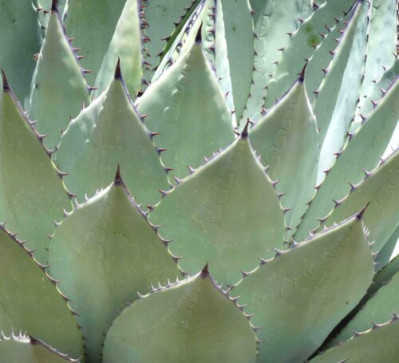
The artichoke agave cactus (Agave parryi var. truncata) is a striking succulent known for its compact, rosette-shaped form and silvery-blue leaves with spined edges. Its symmetrical growth and bold color make it a favorite for modern and desert-style landscapes. This hardy plant is drought-tolerant and thrives in dry, sunny environments, making it ideal for low-maintenance gardens.
Proper artichoke agave care begins with location. Plant it in full sun and well-draining soil, such as sandy or rocky mixes. Overwatering is the most common cause of problems, so water only when the soil is completely dry. Once established, it needs very little supplemental water, even in hot weather. It can handle temperatures down to about 10°F, making it suitable for USDA zones 7–11. Removing dead or damaged leaves in early spring keeps the plant looking its best.
One of the most fascinating features of this species is the blooming. This plant is monocarpic, meaning it blooms once in its lifetime, usually after 10 to 15 years. When it does, it sends up a tall flowering stalk that can reach 15 feet, covered in clusters of yellow flowers that attract hummingbirds, bees, and other pollinators. After blooming, the main rosette dies, but it often produces offsets, or “pups,” around its base that can be replanted to continue the cycle.
In landscape design, the artichoke agave cactus pairs beautifully with Hesperaloe parviflora, commonly known as red or coral yucca. Although not a true yucca, Hesperaloe parviflora shares similar care needs, thriving in full sun, well-draining soil, and low-water conditions. Its narrow, arching green leaves and tall flower spikes of red or coral blooms provide a softer, more fluid contrast to the agave’s rigid, sculptural form, while also attracting hummingbirds throughout the warm months.
The artichoke agave cactus works beautifully as a focal point, in rock gardens, or in large containers. Its bold form pairs well with other drought-tolerant plants like yucca, cactus, and ornamental grasses.
With the right artichoke agave care, this plant rewards gardeners with years of beauty and, eventually, a spectacular bloom. Its resilience, low water needs, and architectural elegance make it a standout choice for both beginner and experienced gardeners in arid and semi-arid climates.
No. Agave is a succulent, not a cactus. While both store water in their leaves or stems, they belong to different plant families.
Last updated on Aug 02, 2026
Species suggested by: Catherine Ko, 2023
Plant Profile compiled and written by: Team PlantShare
Contributors: Team PlantShare & Catherine Ko
 Ask Us!

