



 Garden The PlantShare Way ®

~ All About Running Myrtle ~


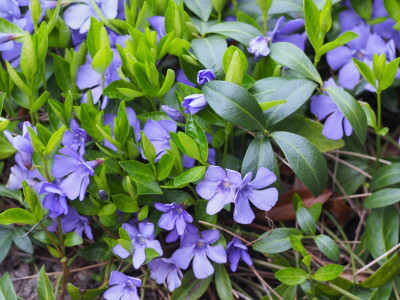
The periwinkle ground cover is one of the most versatile plants for gardeners who want low-maintenance greenery with reliable seasonal color. Known botanically as Vinca minor, this spreading plant forms dense mats of evergreen foliage, making it excellent for filling bare soil, controlling erosion, or softening the edges of paths and garden beds.
One of the main attractions of this plant is its charming periwinkle flowers. Typically blue or violet, though sometimes white or pink, these star-shaped blooms appear in spring and often continue sporadically through summer. Their long-lasting color and ability to brighten shady spots make them especially popular in residential landscapes.
As a companion plant, periwinkle pairs exceptionally well with shade-loving hostas such as Hosta sieboldiana and Hosta plantaginea. Hosta sieboldiana is known for its large, blue-gray, textured leaves that provide bold contrast against the smaller, glossy foliage of periwinkle. Hosta plantaginea, on the other hand, offers lush green leaves and highly fragrant white flowers in late summer, extending seasonal interest well beyond periwinkle’s main bloom period. Together, these plants create layered texture, visual depth, and a cohesive look in shaded garden areas.
There are several types of Vinca commonly used in gardens. Vinca minor is the most widespread, valued for its compact size and ability to thrive in shade. Vinca major grows larger and is more vigorous, often used in bigger spaces. Both species share similar strengths but differ in growth habit, allowing gardeners to choose the best fit for their design.
Successful gardening begins with understanding proper care. This plant prefers moderately fertile, well-drained soil but adapts easily to different conditions. Once established, it tolerates drought and requires minimal attention beyond occasional trimming to control its spread. Regular watering during the first year helps roots settle, but mature plants rarely need extra care.
The range of Periwinkle uses extends beyond ground cover. It’s effective for suppressing weeds, stabilizing slopes, and providing greenery under trees where grass struggles to grow. Its dense foliage offers year-round interest, while its flowers add seasonal charm.
Finally, the ideal Vinca minor growing conditions include partial shade to full shade, though it will accept some sun in cooler climates. With its adaptability, durability, and beauty, periwinkle is an excellent choice for beginners who want a reliable plant that rewards minimal effort with maximum impact.
Yes, most Vinca species such as Vinca minor are perennials. They return year after year in temperate climates. Annual Vinca, often sold as Madagascar periwinkle (Catharanthus roseus), completes its life cycle in one season.
Periwinkle spreads easily by stem cuttings or division. Cut a healthy stem, remove lower leaves, and plant it in moist soil. It also roots naturally where stems touch the ground.
Yes, Vinca thrives in partial to full shade. It is especially useful under trees or in spots where grass struggles. Some sun is tolerated, especially in cooler regions.
Yes, in some areas Vinca can spread aggressively and displace native plants. Check local guidelines before planting to avoid ecological issues.
Plant rooted cuttings or small pots 12–18 inches apart in moist, well-draining soil. Water well until established, then reduce watering as the plant matures.
Provide shade or partial sun, water regularly in the first season, and trim runners to control spread. Once established, Periwinkle requires little care.
Plant in spring after frost has passed. Soil should be warm and workable for best root development.
Yes, all parts of Periwinkle contain toxic compounds. Keep plants away from pets and children.
Groundcover Vinca usually grows 4–8 inches tall but spreads widely. Annual Madagascar periwinkle grows upright, reaching 12–18 inches.
Yes, the name Periwinkle is commonly used for Vinca plants. Madagascar periwinkle is also called Vinca, though it is a different genus.
No, Periwinkle flowers are not edible. They should not be consumed because they contain harmful alkaloids.
Remove by pulling or digging up roots, then cover the area with mulch or landscape fabric to stop regrowth. Persistent patches may require repeated efforts.
Last updated on Nov 15, 2026
Species suggested by: Moz Benado, 2023
Plant Profile compiled and written by: Team PlantShare
Contributors: Team PlantShare & Moz Benado
 Ask Us!