



 Garden The PlantShare Way ®
~ All About Oregano ~


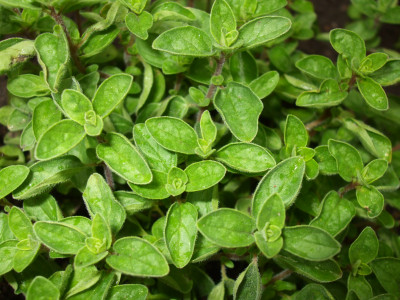
Oregano (Origanum vulgare) is a versatile herb that combines culinary value with garden appeal. As an Oregano is perennial, it returns year after year, providing consistent flavor and greenery. Its hardy nature makes it suitable for borders, rock gardens, or herb beds, while its fragrant leaves add fresh seasoning to a wide variety of dishes.
Planting Oregano is simple. Choose a sunny location with well-draining soil, as Oregano thrives in light, sandy, or loamy soils. Space plants about 12–18 inches apart to allow airflow and healthy growth. While it can grow in containers, in-ground planting often encourages stronger roots and more abundant foliage.
In the garden, Oregano also works well as Oregano as ground cover. Its spreading growth habit helps suppress weeds and fill empty spaces, while adding texture and color. Regular harvesting encourages denser growth, keeping the plant low and bushy, which enhances its function as a living ground cover.
Oregano care is straightforward. Water sparingly once the plant is established, as Oregano prefers slightly dry conditions. Prune lightly to promote fresh growth and prevent legginess. Fertilizing lightly in spring supports leaf production, but heavy feeding is unnecessary.
One of the charming features of Oregano is its blooms. The small, clustered edible Oregano flowers attract pollinators like bees and butterflies. These flowers can also be used in teas, salads, or as garnishes, adding both flavor and visual interest to your garden.
By combining practical Oregano care with thoughtful placement, gardeners can enjoy a reliable perennial herb that enhances both cooking and landscaping. Whether used for seasoning, ground cover, or decorative blooms, Oregano offers a blend of utility and beauty, making it a must-have for any beginner-friendly herb garden.
Oregano is a fragrant herb in the mint family. It has small leaves with a strong, earthy flavor often used in cooking.
It’s mainly used to season foods like pizza, pasta, roasted meats, vegetables, and sauces. Some people also use it in herbal teas or as a mild natural remedy.
Oregano comes from the Mediterranean region, where it has been used for thousands of years in cooking and medicine.
Plant Oregano in spring after the last frost. If you’re starting seeds indoors, begin them a few weeks earlier so they’re ready to transplant once the weather warms.
Yes, Oregano flowers are edible. They have a mild version of the leaf flavor and can be used as a garnish or added to salads and sauces.
Cut stems in the morning after the dew dries. Snip just above a pair of leaves to encourage new growth. You can use the leaves fresh or dry the stems in bunches for later use.
Grow it in full sun and well-draining soil. Water only when the soil becomes dry. Trim the plant regularly to keep it dense and flavorful. Avoid heavy fertilizing, which can weaken the flavor.
Yes, Oregano is a perennial in warm and mild climates. In colder regions, it may behave like a short-lived perennial or need winter protection.
Last updated on May 31, 2026
Species suggested by: Christina Cyr, 2023
Plant Profile compiled and written by: Team PlantShare
Contributors: Team PlantShare
 Ask Us!