



 Garden The PlantShare Way ®

~ All About Pineapple Lily ~


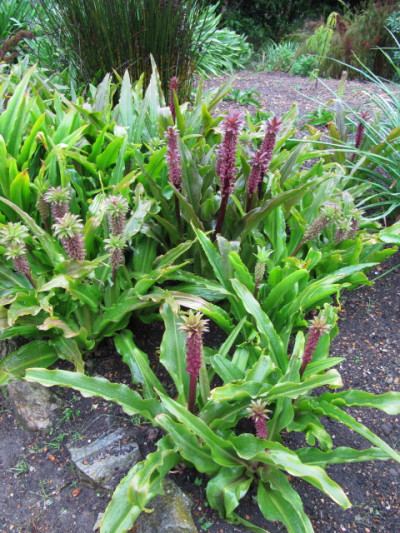
The Eucomis comosa, commonly knowns as Pineapple lily, is a striking ornamental plant known for its dense, cone-shaped flower clusters that resemble miniature pineapples. To maintain a healthy and vibrant garden display, understanding its plant care is essential. These plants thrive in sunny locations with well-draining soil and benefit from occasional watering during dry periods. Mulching around the base helps retain moisture while keeping the roots cool and healthy. Removing spent flowers encourages continued growth and keeps the plant looking tidy throughout the season.
Knowing the right Pineapple lily growing conditions is crucial for success. These plants prefer full sun but can tolerate partial shade in hotter climates. They grow best in fertile, sandy or loamy soil with good drainage, as soggy soil can lead to bulb rot. While Pineapple lilies are generally low-maintenance, providing occasional fertilizer in early spring can promote vigorous foliage and vibrant blooms. They are hardy in moderate climates and can be grown in garden beds or large containers, making them versatile for different garden settings.
Propagation is another key aspect for gardeners looking to expand their collection. Plant propagation is typically done through bulb division. After the growing season, carefully lift the bulbs, separate the offsets, and replant them in suitable soil. This method ensures that new plants maintain the characteristics of the parent plant and encourages healthy growth. While pineapple lilies can also be grown from seeds, this approach is slower and requires more patience, making bulb division the preferred method for most gardeners.
A practical companion plant for Pineapple lily is Salvia officinalis, commonly known as common sage. This aromatic herb thrives in similar conditions, preferring sunny locations and well-draining soil. Sage’s silvery-green foliage provides an attractive contrast to the bold flower spikes of Pineapple lily, creating visual balance in garden beds. In addition, sage attracts pollinators such as bees while its fragrant leaves can help deter certain garden pests. Planting these two species together supports a healthier garden environment while adding both texture and color to the landscape.
With proper care, suitable growing conditions, and thoughtful companion planting, Pineapple lilies can become a standout feature in any garden, rewarding even beginner gardeners with their exotic appearance and reliable performance.
Pineapple lilies are low-maintenance bulbs that thrive with basic attention. Plant them in well-draining soil to prevent rot, and keep the area free from weeds. Remove dead leaves and faded flowers to encourage healthy growth. During the growing season, you can add a balanced fertilizer once or twice to support strong blooms. In winter, bulbs need a dry rest period, so reduce watering and avoid soggy soil.
Start with healthy bulbs planted about 3–4 inches deep in soil that drains well. Space them 6–12 inches apart, depending on the variety. They grow best in garden beds, borders, or containers. After planting, water lightly and provide consistent sunlight. Pineapple lilies produce flower spikes in mid-to-late summer, with small star-shaped blooms arranged like a pineapple on top of the stem. You can propagate them by dividing bulbs in early spring after the foliage dies back.
Water Pineapple lilies moderately during the growing season. The soil should be moist but never waterlogged. Once the flowers fade and the plant enters dormancy in late fall or winter, reduce watering significantly. During dormancy, the bulbs need only occasional watering to prevent them from drying out completely.
Eucomis comosa prefers full sun to partial shade. Full sun promotes strong stems and abundant flowers. In very hot climates, providing light afternoon shade can protect the foliage from scorching while still allowing enough light for blooms.
Last updated on Nov 10, 2026
Species suggested by: Dina Russell, 2020
Plant Profile compiled and written by: Team PlantShare
Contributors: Team PlantShare
 Ask Us!