




 Garden The PlantShare Way ®
~ All About Cuban zephyrlily ~


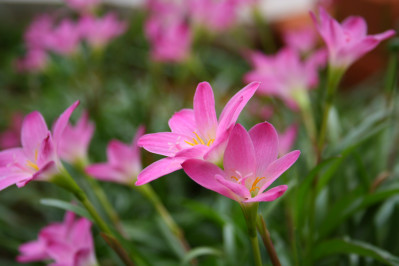
Zephyranthes rosea, commonly known as the Pink rain lily, is a charming bulbous plant that produces vibrant pink flowers after rainfall. Understanding proper Zephyranthes rosea care is essential for beginners who want a healthy, flowering plant. These bulbs thrive in well-draining soil that retains some moisture without becoming soggy. As for any builb, very wet soil causes bulbs to rot, so careful watering and soil selection are key.
Sunlight is another critical factor in caring for this plant. These plants prefer full sun but can tolerate partial shade, especially in hotter climates where afternoon shade protects the delicate blooms. Regular watering during active growth encourages strong leaves and abundant flowers, while reducing watering in the dormant season helps bulbs enter dormancy during the dry season or winter.
Fertilization can support continuous growth and flowering. A balanced, slow-release fertilizer applied during the growing season promotes healthy foliage and more abundant blooms. If you fertilize and do not see blooms, then the nitrogen content was too high. Removing seed heads can help direct energy back to the bulbs for future growth.
Propagation of Zephyranthes rosea is straightforward and rewarding. Even novice gardeners can divide clumps of bulbs after the flowering season or dig up offsets for new plants in the fall. Such 'vegetative propagation' ensures that the new plants have the same vibrant flower color and characteristics as the parent; they are natural clones.
Rain lilies are hardy and adaptable, making them ideal for borders, containers, or rock gardens. With proper sunlight, soil, and watering, they thrive with minimal effort and bring bursts of color after rain.
As a companion plant, tulips offer a complementary seasonal contrast. Tulips bloom earlier in spring, providing vibrant color before Zephyranthes begins its flowering cycle later in the season. This staggered blooming extends visual interest in the same planting area. Both plants prefer well-draining soil, but care should be taken with watering - tulips require drier conditions during dormancy, while rain lilies may need occasional moisture to trigger blooms. Planting them together works best in well-drained beds where watering can be controlled. The upright form of tulips also contrasts nicely with the low, grass-like foliage of rain lilies, creating a balanced and visually appealing garden display.
Plant bulbs 1.5–2 inches deep in well-draining soil, spacing them 3–4 inches apart. Choose a sunny or partially shaded spot. After planting, water lightly to settle the soil around the bulbs. Mulching can help retain moisture and keep weeds down. The bulbs will sprout in a few weeks, especially after rainfall or regular watering.
Yes, Pink rain lilies are perennials. They come back year after year from their bulbs. With proper care, including watering during growth and reducing water in dormancy, these plants can bloom reliably each season.
Pink rain lilies like moderate watering. Keep the soil evenly moist while the plant is growing and flowering, but avoid waterlogged soil, which can rot the bulbs. During dormancy, water very little—just enough to keep the bulbs from drying out completely.
They prefer well-draining, slightly sandy or loamy soil. Soil that holds water poorly or is heavy clay can cause the bulbs to rot. Adding compost or grit can improve drainage while providing nutrients for strong growth and vibrant flowers.
Last updated on Jun 05, 2026
Species suggested by: Dina Russell, 2023
Plant Profile compiled and written by: Team PlantShare
Contributors: Team PlantShare
 Ask Us!

