



 Garden The PlantShare Way ®
~ All About Inch plant ~


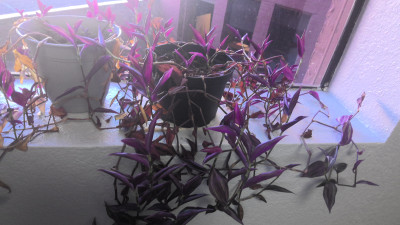
The Wandering Jew plant, also known as Tradescantia zebrina, is a popular choice for gardeners who want fast-growing foliage with bold color. Understanding proper plant care helps new gardeners keep the plant healthy, full, and vibrant throughout the growing season. These plants thrive in warm temperatures, moderate humidity, and soil that drains well while holding a bit of moisture. Regular watering keeps the leaves lush, but the soil should never remain soggy. Allowing the top layer to dry slightly between waterings helps prevent root issues.
Light plays a major role in maintaining bright leaf patterns. Meeting the right light requirements means giving the plant bright, indirect sunlight. Too much direct sun can scorch the leaves, while low light causes the vivid stripes to fade. Indoors, a bright window works well. Outdoors, partial shade provides the best balance of color and growth.
Gardeners often enjoy using Wandering jew as ground cover because of its spreading nature. When planted in warm climates, it quickly fills empty spaces and creates a colorful carpet of purple and green foliage. It works especially well in containers, hanging baskets, or along garden edges where it can cascade naturally.
Propagation is simple and reliable. Many beginners start with cuttings, which root easily in water or moist soil. Snip a healthy stem just below a node, remove the lower leaves, and place it in water or directly into potting mix. Within days, roots begin to form. This quick and dependable method makes propagation ideal for expanding your collection or sharing plants with friends.
A great companion plant for Tradescantia zebrina is Chlorophytum comosum, commonly known as the spider plant. This plant has arching green or variegated leaves that create a soft contrast with the bold purple-striped foliage of the Wandering jew. Both plants thrive in bright, indirect light and prefer well-draining soil with moderate watering, making them easy to grow together in containers or indoor plant arrangements. Spider plants also produce small offshoots, or “pups,” that hang gracefully from the parent plant, adding extra visual interest.
By pairing Tradescantia zebrina with Chlorophytum comosum, gardeners can create attractive layered displays with varied textures and colors. With proper lighting, watering, and occasional pruning, these two easy-care plants form a vibrant and low-maintenance combination for both indoor and outdoor spaces.
Keep the plant in bright, indirect light and use soil that drains well. Water when the top inch of soil feels dry. Trim leggy stems to keep the plant full. Wipe the leaves occasionally to remove dust and help them stay vibrant.
Start with a healthy stem cutting or a small plant. Place it in a pot with light, airy soil. Give it steady moisture and bright light. As it grows, pinch back tips to encourage bushier growth.
Yes, it likes bright light but not harsh midday sun. Direct sunlight for too long can bleach or burn the leaves. A spot with morning sun and afternoon shade works well.
Use clean scissors to cut back long, thin, or bare stems. Make cuts just above a node where new leaves form. Pruning encourages fresh, compact growth and helps maintain color.
Water when the top layer of soil dries out. In warm months, this might be once or twice a week. In cooler months, water less often. Avoid leaving the plant in standing water.
Yes, it can grow outdoors in warm climates. It does well in partial shade and moist, well-draining soil. In cooler regions, it works best as a summer annual or container plant that you bring indoors before frost.
Last updated on Jun 09, 2026
Species suggested by: Rachel Rolfs, 2023
Plant Profile compiled and written by: Team PlantShare
Contributors: Team PlantShare & Rachel Rolfs
 Ask Us!

