



 Garden The PlantShare Way ®
~ All About Weeping fig ~


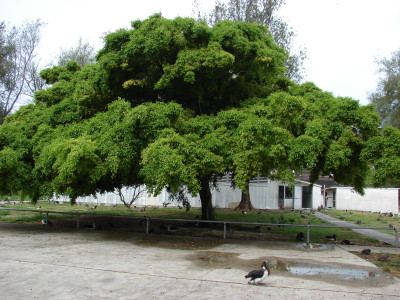
Ficus benjamina, also known as the Weeping fig, is a popular indoor and outdoor tree known for its graceful branches and glossy leaves. With proper care of Ficus tree, it can grow into an attractive focal point in any home or landscape. Understanding the right growing conditions is the first step to keeping this plant healthy and strong.
Light is one of the most important factors in growing Ficus trees successfully. The light requirements include bright, indirect sunlight for most of the day. Too little light can cause leaf drop, while direct afternoon sun may scorch the leaves. Place the tree near a sunny window with filtered light for best results.
Proper Ficus benjamina watering also plays a key role in its health. Water the plant when the top inch of soil feels dry. Make sure the pot has drainage holes, since sitting in water can damage the roots and lead to plant diseases, such as root rot or fungal issues. Yellowing or falling leaves often signal overwatering.
To shape your tree and control its size, you should prune Ficus benjamina in spring or early summer. Trim long or weak branches just above a leaf node to encourage fuller growth. Make clean cuts and avoid removing more than 20% of the plant at a time.
If you want to expand your collection, you can easily propagate another tree using stem cuttings. Place a healthy cutting in moist soil or water until roots develop.
For companion planting, the Spider plant (Chlorophytum comosum) is a practical choice. This plant grows well in bright, indirect light and prefers moderate watering, which matches the general care conditions of Ficus benjamina. Its arching green leaves, often striped with white, create a softer texture beneath the tree’s dense foliage. When placed in the same room or container arrangement, the Spider plant fills lower space and adds visual contrast without competing for height. It is also known for being hardy and adaptable, making it easy to maintain alongside a Ficus tree.
When planted outdoors, remember that Ficus benjamina roots are invasive in warm climates, so avoid placing it close to foundations or pipes. With the right attention, this elegant tree will stay vibrant for many years.
Place the plant in bright, indirect light. Water it when the top inch of soil feels dry. Use well-draining soil and a pot with drainage holes. Keep it away from cold drafts and sudden temperature changes.
Indoors, a Ficus usually grows 4–10 feet tall. Outdoors in warm climates, it can reach 30–60 feet if not trimmed.
Ficus trees grow at a moderate to fast rate. With good light and care, they can grow several feet in a year.
When cared for properly, a Ficus tree can live for several decades. Some outdoor trees live over 50 years.
Take a 4–6 inch cutting from a healthy stem. Remove the lower leaves and place the cutting in water or moist potting soil. Keep it warm and in indirect light until roots form.
Yes, but only in warm, frost-free climates. It does best in temperatures above 60°F (16°C). In cooler areas, it should be grown indoors.
Start with a healthy plant, give it bright filtered light, water it properly, and fertilize lightly during the growing season. Prune it to keep the shape you want.
Yes, the sap can irritate skin and may be toxic if eaten by pets or people. Keep it out of reach of children and animals.
Last updated on Jul 15, 2026
Species suggested by: Grace Monroe, 2024
Plant Profile compiled and written by: Team PlantShare
Contributors: Team PlantShare & Grace Monroe
 Ask Us!