



 Garden The PlantShare Way ®
~ All About Pacific Trillium ~


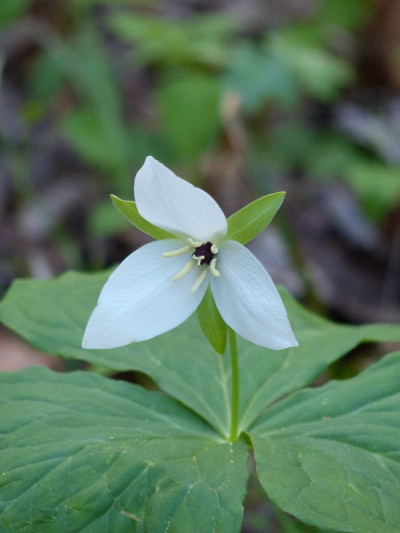
Trillium flowers (Trillium ovatum) are charming woodland plants that bring delicate beauty to shaded gardens. Known for their three-petaled blooms, these perennial plants are relatively low-maintenance but require attention to their natural growing conditions. For gardeners eager to grow trillium, understanding the plant’s needs is essential.
Timing is key when it comes to flower bloom time. Most varieties bloom in early to mid-spring, displaying subtle white, pink, or red flowers depending on the species. Planning your garden to feature these plants in shaded or partially shaded areas ensures they receive the proper light and moisture levels they require.
There are several trillium flower varieties, each offering unique colors and leaf patterns. Popular choices include Trillium grandiflorum, Trillium erectum, and Trillium ovatum. Selecting the right variety helps you create a visually appealing woodland garden while supporting the plant’s natural growth requirements.
Successful trillium propagation often involves division or seed planting. Division works best with established clumps in early fall, while seed propagation can be slower but rewarding. Specifically, Trillium ovatum propagation is usually done through careful division of mature plants, ensuring the roots remain intact to minimize transplant shock.
For companion planting, Galium odoratum, commonly known as sweet woodruff, is a suitable addition to woodland gardens. This low-growing perennial thrives in partial to full shade and prefers moist, well-draining soil, conditions that are similar to those favored by trillium. Sweet woodruff spreads gently to form a soft ground cover of bright green leaves and produces small white star-shaped flowers in spring. Its spreading habit helps cover bare soil around trillium plants while allowing the taller blooms to remain visible. The combination adds layers of texture and helps maintain a natural woodland appearance.
When relocating plants, proper transplanting is crucial. Dig gently around the root system and replant in soil that mimics its native woodland environment. Keep the soil moist but well-drained, and avoid excessive disturbance to young shoots.
By selecting suitable varieties, providing shaded soil, and following careful propagation and transplanting techniques, gardeners can enjoy a thriving collection of trillium flowers that return year after year.
Trilliums grow naturally in shaded forests, woodlands, and along streams. They prefer moist, well-drained soil and areas protected from direct sunlight.
Plant trilliums in partial to full shade. Use rich, humus-filled soil and keep it consistently moist. Avoid disturbing their roots, and mulch to retain moisture and mimic their natural woodland environment.
Trilliums typically bloom once a year in spring. The exact timing depends on the species and local climate, usually between March and May.
Trillium is mainly grown as an ornamental plant for shaded gardens. Some species have also been used in traditional herbal medicine, but always with caution, as not all parts are safe to consume.
Trilliums grow slowly. From seed, it can take 4–7 years to produce flowers. Division of mature plants can speed up growth and flowering in a new location.
Last updated on Jun 13, 2026
Species suggested by: RhondaDT, 2024
Plant Profile compiled and written by: Team PlantShare
Contributors: Team PlantShare & RhondaDT
 Ask Us!

