




 Garden The PlantShare Way ®
~ All About Rattlesnake plant ~


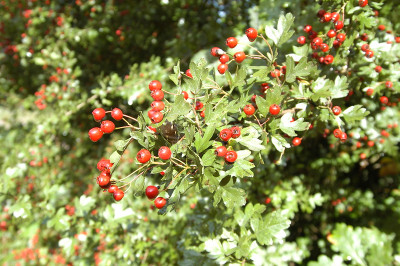
The Washington hawthorn (Crataegus phaenopyrum) is a versatile ornamental tree that adds seasonal interest with its clusters of bright red berries and delicate white flowers. Many gardeners choose this tree for its beauty, value to wildlife, and ease of care. With the right growing conditions, it can thrive in a variety of landscapes.
Washington hawthorn tree care begins with planting it in full sun to partial shade and well-draining soil. This tree tolerates a range of soil types but performs best in fertile, slightly acidic soil. Regular watering during the first few years helps establish strong roots, after which it becomes moderately drought-tolerant. Mulching around the base keeps soil moist and protects roots.
Pruning is essential to maintain a healthy shape. Washington hawthorn pruning should be done in late winter or early spring before new growth begins. Remove dead, damaged, or crossing branches to promote airflow and reduce the risk of disease. Avoid heavy pruning during the growing season, as it can stress the tree and reduce flowering.
Be aware of common tree diseases, including fire blight, leaf spot, and powdery mildew. Good air circulation, proper spacing, and careful watering at the base of the tree help minimize these issues.
For companion planting, Tulipa gesneriana can add seasonal color beneath or near Washington hawthorn trees. These classic garden tulips bloom in spring, often at the same time the hawthorn produces its white flowers. Tulips prefer full sun to partial shade and well-drained soil, conditions that can also suit areas around established hawthorn trees. Their upright stems and bright blooms introduce vibrant color at ground level while the tree provides structure and height above. As the tulips finish their blooming cycle in late spring, the hawthorn continues the display with developing foliage and later with its distinctive red berries.
The tree’s bright red fruits are often edible, although they are tart and usually cooked or made into jams, jellies, or sauces. They also attract birds and wildlife, adding ecological value to your garden.
By following proper planting, pruning, and maintenance practices, gardeners can enjoy a healthy, attractive Washington hawthorn for decades. Its striking fall color, spring flowers, and bright berries make it a standout addition to any yard.
Washington hawthorn (Crataegus phaenopyrum) grows best in full sun but can tolerate light shade. At least six hours of direct sunlight per day ensures healthy growth and vibrant berry color.
This tree typically blooms in late spring, producing clusters of small, fragrant white flowers. Blooming usually occurs in May, depending on local climate conditions.
Common pests include aphids, leaf miners, scale insects, and spider mites. Regular inspection and early treatment with insecticidal soap or horticultural oil help protect the tree.
Young trees need consistent moisture to establish roots. Water deeply once or twice a week during dry periods, ensuring the soil is moist but not waterlogged. Mulching around the base helps retain soil moisture.
Last updated on Jun 13, 2026
Species suggested by: RhondaDT, 2024
Plant Profile compiled and written by: Team PlantShare
Contributors: Team PlantShare & RhondaDT
 Ask Us!

