




 Garden The PlantShare Way ®

~ All About Princess Tree ~


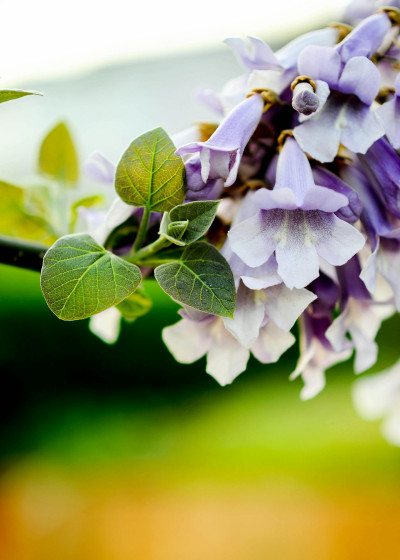
The empress tree, or Paulownia tomentosa, is a fast-growing ornamental tree prized for its large, fragrant purple flowers. While visually striking, gardeners should be aware that its invasive tendencies can occur in some regions, as it spreads quickly by seeds and can outcompete native plants. Understanding proper care and management is key to successful cultivation.
Empress tree care begins with selecting the right location. These trees prefer full sun and well-drained soil. Planting in an appropriate growing zone ensures the tree thrives and produces abundant blooms. Regular watering during the first few years helps young trees establish strong roots.
The showy blooms appear in spring, attracting pollinators and adding vibrant color to landscapes. Proper pruning enhances the tree’s appearance and encourages healthy growth. Empress tree pruning should be done in late winter or early spring, removing dead or crowded branches to maintain structure.
For gardeners interested in starting new trees, Paulownia tomentosa propagation is commonly done from seeds or root cuttings. Seeds germinate easily, but seedlings should be monitored closely to prevent unwanted spreading.
Be mindful of potential root problems, as shallow roots can interfere with nearby structures or competing plants. Planting in a spacious area and providing adequate water and nutrients helps reduce stress on the root system.
A graceful companion plant for the empress tree is Paeonia lactiflora, commonly known as the Garden peony. Peonies grow well in sunny to lightly shaded areas with fertile, well-drained soil, conditions that are often suitable near the outer canopy of a mature empress tree. Their lush foliage and large, fragrant blooms in late spring create a beautiful contrast with the tall tree above. While the empress tree provides height and dramatic seasonal blossoms, peonies add a soft layer of color and texture at ground level, resulting in a balanced and visually appealing garden composition.
No, royal empress trees are not considered poisonous to humans or pets. However, it’s always wise to avoid ingesting seeds or leaves, as they are not meant for consumption.
Plant in well-draining soil with plenty of sunlight. Water regularly during the first year to establish strong roots. Mulch around the base to retain moisture and reduce weeds. Prune in early spring to remove dead or crowded branches.
Royal empress trees need full sun for best growth. At least six hours of direct sunlight per day encourages strong stems, vibrant leaves, and abundant blooms.
The large leaves help the tree capture more sunlight for photosynthesis. This rapid energy production supports its fast growth and allows it to quickly establish a strong canopy.
At maturity, Paulownia tomentosa can reach 40–70 feet tall with a spread of 30–50 feet. Its fast growth and large leaves make it a striking, dramatic presence in the landscape.
Last updated on Nov 15, 2026
Species suggested by: Tom Granger, 2024
Plant Profile compiled and written by: Team PlantShare
Contributors: Team PlantShare & Tom Granger
 Ask Us!