



 Garden The PlantShare Way ®

~ All About Rattlesnake Plant ~


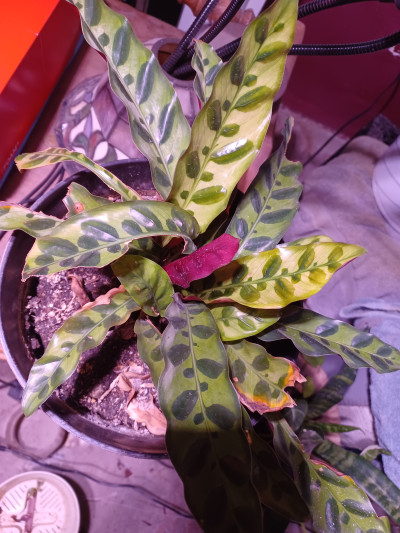
The rattlesnake plant, scientifically named as Goeppertia insignis (syn. Calathea lancifolia), is a striking tropical houseplant known for its long, patterned leaves and dramatic, wavy edges. Its unique foliage makes it a standout in indoor gardens, and with proper care, it can thrive for many years.
Proper rattlesnake care starts with placement. This plant prefers bright, indirect light but can tolerate lower light conditions. Direct sunlight can scorch the leaves, so a north-facing window or filtered light is ideal. The plant also enjoys high humidity, so consider using a humidifier or placing it on a tray of pebbles and water to mimic its natural environment.
Watering is crucial and can be tricky. Keep the soil consistently moist but not waterlogged. Let the top inch of soil dry slightly between waterings, and avoid letting the plant sit in standing water. Regular misting and occasional wiping of leaves help maintain healthy foliage and prevent pests.
For gardeners looking to expand their collection with rattlesnake, plant propagation is usually done by division. Gently separate a healthy, rooted portion of the plant, ensuring that each division has several leaves and a strong root system. Replant each division in fresh, well-draining soil, water lightly, and place in a warm, humid location until the plant establishes itself.
Fertilize lightly during the growing season with a balanced, water-soluble fertilizer to encourage vibrant leaf color. Prune any damaged or yellowing leaves to maintain the plant’s appearance and overall health.
As a companion plant, Selaginella kraussiana is an interesting match for the rattlesnake plant. Its soft, moss-like texture contrasts beautifully with the long, patterned leaves of Goeppertia insignis. Both plants thrive in similar conditions: high humidity, indirect light, and evenly moist soil. Selaginella kraussiana works especially well as a living ground layer in large pots, terrariums, or shaded indoor planters, helping maintain humidity around the base of the rattlesnake plant. Together, they create a lush, tropical appearance with varied textures and rich green tones that enhance indoor garden displays.
With consistent attention to lighting, moisture, and humidity, Goeppertia insignis becomes a lush and elegant indoor feature.
Yes, Goeppertia insignis can grow outdoors, but only in warm, frost-free climates. It thrives best in USDA zones 10–12, where temperatures stay consistently above 60°F (15°C). Outdoors, it prefers bright, indirect light and a shaded or partially shaded spot—direct sun can scorch its leaves. In cooler regions, it’s best grown as a houseplant or moved indoors during cold weather.
Keep the plant in bright, indirect light and maintain consistent moisture in the soil. Provide high humidity by misting, using a humidifier, or placing it on a water-filled pebble tray. Wipe leaves occasionally and remove any damaged foliage.
It prefers loose, well-draining soil that retains some moisture without becoming soggy. A mix of potting soil, peat, and perlite or orchid bark works well.
Plant it in a pot with good drainage, water regularly to keep soil slightly moist, and provide high humidity. Fertilize lightly during the growing season, and divide or repot only when the plant becomes crowded.
It needs bright, indirect light. Direct sunlight can scorch the leaves, while too little light slows growth. East or north-facing windows or filtered light are ideal.
Last updated on Jun 13, 2026
Species suggested by: Denise Kissick, 2024
Plant Profile compiled and written by: Team PlantShare
Contributors: Team PlantShare & Denise Kissick
 Ask Us!