



 Garden The PlantShare Way ®
~ All About Blue fescue ~


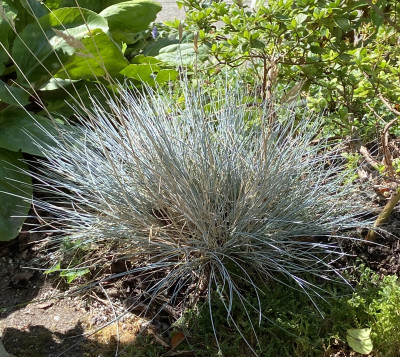
Blue fescue grass (Festuca glauca) is a low-maintenance ornamental grass prized for its striking blue-gray foliage and compact, clumping habit. Its versatility makes it an excellent choice for borders, rock gardens, and as a ground cover. Understanding proper care ensures healthy growth and vibrant color.
Blue fescue care begins with selecting the right location. These grasses thrive in full sun but can tolerate partial shade. Well-draining soil is essential, as overly wet conditions can lead to root rot. Once planted, growing conditions should include occasional watering during dry spells, though the plant is relatively drought-tolerant once established.
Proper planting techniques are important. For best results, follow planting guidelines by spacing clumps about 6–12 inches apart to allow airflow and room for growth. Mulch lightly to retain soil moisture and control weeds, but avoid heavy mulch directly over the crowns, which can cause rot.
Pruning enhances both health and appearance. Pruning blue fescue in early spring involves trimming back dead or brown foliage to encourage fresh growth. This maintains the plant’s tidy, rounded shape and promotes denser clumps. Deadflower stalks can also be removed to keep the garden neat.
A perfect companion plant for blue fescue is Lavandula angustifolia, commonly known as English lavender. Both plants thrive in full sun and prefer well-draining soil, making them highly compatible in the same garden setting. Lavender’s soft purple flower spikes contrast beautifully with the cool blue tones of blue fescue, creating a visually appealing combination. In addition, lavender attracts pollinators such as bees and butterflies, enhancing the ecological value of the planting. Together, these plants create a low-maintenance, drought-tolerant garden design that offers both color and fragrance throughout the growing season.
With proper sunlight, soil conditions, and minimal care, blue fescue grass can thrive for years. When paired with complementary plants like lavender, it contributes to a balanced, textured, and visually striking landscape.
Blue fescue is low-maintenance. Plant it in full sun for best color and growth. Water moderately, letting the soil dry between watering. Trim dead leaves in spring and remove flower stalks to keep the plant tidy.
Choose a sunny, well-draining location. Space clumps 6–12 inches apart. Dig a hole slightly larger than the root ball, place the plant, and backfill with soil. Water lightly to help it settle.
Blue fescue is a perennial. With proper care, it will return each year and maintain its compact, clumping form.
Growth is slow to moderate. Typically, clumps reach maturity in one to two growing seasons, gradually forming dense, rounded tufts.
Browning can result from too much moisture, poor drainage, or prolonged drought. It may also be natural winter dormancy or old foliage dying off. Trim dead leaves and adjust watering to restore healthy growth.
Last updated on Jul 15, 2026
Species suggested by: Dina Russell, 2020
Plant Profile compiled and written by: Team PlantShare
Contributors: Team PlantShare
 Ask Us!

