



 Garden The PlantShare Way ®

~ All About Grape ~


By starting small and focusing on the essentials (i.e. choosing the right variety, planting in suitable soil, and maintaining vines through thoughtful pruning), you can add vineyard – large or small – to your backyard. With patience and consistent care, growing Vitis vinifera becomes a rewarding hobby and a connection to one of the oldest traditions in agriculture.
If you’ve ever dreamed of cultivating your own vineyard, learning the basics of Vitis vinifera planting is the first step. Wine grapes, commonly known as Vitis vinifera, have been cultivated for thousands of years and are the foundation of both winemaking and fresh table grapes. Understanding the origin of the plant can inspire new growers: it traces back to the Mediterranean and Central Asia, where climate and geography shaped its remarkable diversity.
Today, gardeners can choose from many varieties, each offering unique flavors, colors, and adaptability. Classic examples include Cabernet Sauvignon, Chardonnay, and Riesling, but even smaller-scale growers can find options suited to backyard vineyards. Before planting, it’s important to identify your growing zone. Grapevines thrive in areas with warm summers, mild winters, and well-drained soils. Beginners should research their USDA hardiness zone and select varieties proven to perform well in those conditions.
Once the vines are established, proper care ensures healthy growth and reliable harvests. A key part of vineyard management is pruning. Regular pruning controls vine size, improves airflow, reduces disease pressure, and directs energy into fruit production rather than foliage. While pruning may feel intimidating at first, it is essential for long-term vine health and fruit quality and you can master it.
Beyond winemaking, gardeners are often surprised by the many plant uses. In addition to producing wine, the grapes can be eaten fresh, dried into raisins, or pressed for juice. The leaves are also widely used in cooking, especially in Mediterranean dishes like stuffed grape leaves.
As a companion plant, Oxalis stricta (yellow wood sorrel) can naturalize the ground at the base of grapevines. This ground covers bare soil and adds a soft green texture and bright flowers. That said, Oxalis stricta spreads easily and can compete with young vines for nutrients and moisture.
By combining good vine care with thoughtful companion planting, you can create a balanced and productive vineyard space that supports both plant health and visual appeal.
Most cultivated grapes, known as Vitis vinifera, originated in the Mediterranean region and parts of Western Asia. Archeological evidence shows humans have been growing and fermenting grapes for over 6,000 years. Today, grapes are grown worldwide, but their origin is tied closely to warm, sunny climates with mild winters.
Choose a sunny location with well-drained soil. Prepare the ground by removing weeds and loosening the soil. Dig holes large enough for the roots to spread out. Space vines about 6–8 feet apart to allow good air circulation. After planting, water deeply and add a layer of mulch to keep moisture in and suppress weeds.
Grapes for winemaking require careful attention. Prune vines each year to control growth and improve fruit quality. Provide support with trellises or wires so the vines can climb and spread. Water consistently during dry periods, but avoid overwatering. Keep an eye out for pests and fungal diseases, treating early if needed. Patience is key, since most vines take about three years to produce a meaningful harvest.
The best time to plant is in early spring, once the soil is workable and the risk of frost has passed. This gives the vines a full growing season to establish roots. In warmer climates, planting can sometimes happen in late fall, but spring planting is safest for beginners.
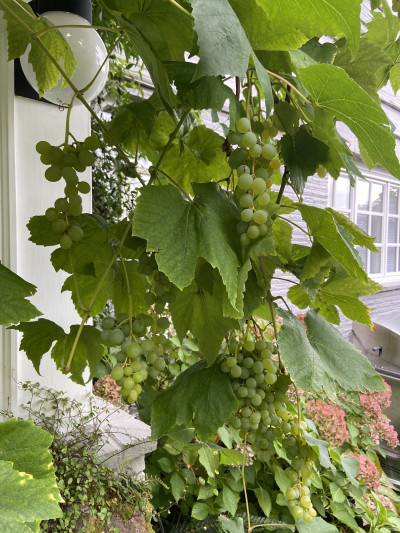
Identification involves looking at leaf shape, cluster size, berry color, and growth habits. For example, some varieties have deeply lobed leaves while others are smooth. The size and compactness of grape clusters can also help. If you’re unsure, compare your vine to trusted guides or consult a local vineyard expert. DNA testing is available for absolute certainty, but observation often gives good clues.
Last updated on Nov 15, 2026
Species suggested by: Dina Russell, 2025
Plant Profile compiled and written by: Team PlantShare
Contributors: Team PlantShare
 Ask Us!