



 Garden The PlantShare Way ®
~ All About Kale ~

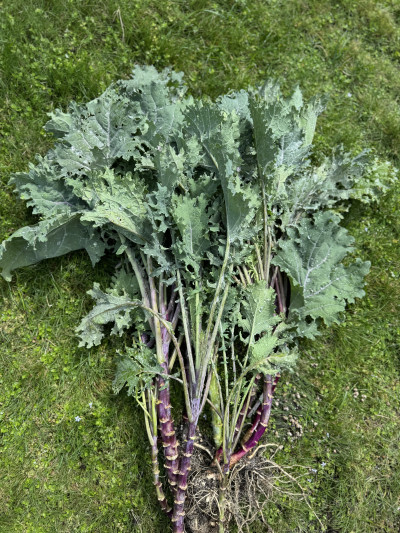
If you’re interested in growing your own nutritious greens, planting Kale is one of the easiest and most rewarding choices. Known botanically as Brassica oleracea var. sabellica, Kale is a hardy, leafy vegetable that thrives in cool weather and offers a long harvest season. Its rich flavor, high vitamin content, and ability to grow in various climates make it a must-have for home gardeners.
Start planting Kale in early spring or fall when temperatures are mild. Choose a sunny spot with well-drained, fertile soil rich in organic matter. Kale grows best in soil with a pH between 6.0 and 7.5. Mix compost or aged manure into the top layer before planting to give your seedlings a strong start. Space plants about 12 to 18 inches apart to allow plenty of room for leaf growth and airflow.
Brassica oleracea var. sabellica requires consistent watering to stay tender and flavorful. Keep the soil evenly moist but not waterlogged, and mulch around the plants to retain moisture and reduce weeds. A light feeding of balanced fertilizer every few weeks will keep the leaves lush and vibrant. Kale also grows well alongside Allium porrum as a companion plant. Leeks have shallow root systems and upright growth, so they don’t compete heavily for space, and their mild onion scent may help deter certain pests that commonly target brassicas. This pairing can improve garden diversity while maximizing planting space.
One of the best parts of is its resilience. It tolerates light frosts, which can even improve its flavor by making the leaves sweeter. For pest protection, use fine mesh covers to deter cabbage worms and aphids. Regularly check the undersides of leaves and remove any visible pests by hand.
Harvest Kale by cutting the outer leaves first, allowing the plant to keep producing new growth from the center. With proper care, Brassica oleracea var. sabellica can provide a steady supply of healthy, delicious greens for months, making it a fantastic crop for gardeners of any skill level.і
To grow kale (Brassica oleracea var. sabellica) from seeds, start by preparing loose, fertile soil that drains well. Sow the seeds about ¼ to ½ inch deep and space them roughly 12 to 18 inches apart. Keep the soil moist until the seeds sprout, which usually takes 5 to 10 days. Once the seedlings are about 3 inches tall, thin them so the strongest plants have enough room to grow. Kale prefers full sun but can handle light shade, especially in hot climates.
Yes, kale (Brassica oleracea var. sabellica) is part of the cabbage family, known as the Brassicaceae family. It shares the same species as cabbage, broccoli, and Brussels sprouts. The main difference is that kale doesn’t form a head like cabbage. Instead, it grows open leaves that can be harvested throughout the season, making it one of the most versatile members of the cabbage family.
You can plant kale in early spring or late summer. For a spring crop, sow seeds 6 to 8 weeks before the last expected frost. For a fall crop, plant seeds 6 to 8 weeks before the first expected frost. Brassica oleracea var. sabellica grows best in cool weather and can tolerate light frost, which actually makes the leaves taste sweeter.
Harvest kale by picking the outer leaves first, leaving the inner leaves and growing tip untouched. This allows the plant to keep producing new leaves for weeks or even months. Use a sharp knife or scissors to cut the leaves cleanly near the stem. With this method, kale (Brassica oleracea var. sabellica) will continue growing strong and healthy.
Last updated on Jul 29, 2026
Species suggested by: Dina Russell, 2025
Plant Profile compiled and written by: Team PlantShare
Contributors: Team PlantShare
 Ask Us!

