



 Garden The PlantShare Way ®
~ All About Broccoli ~

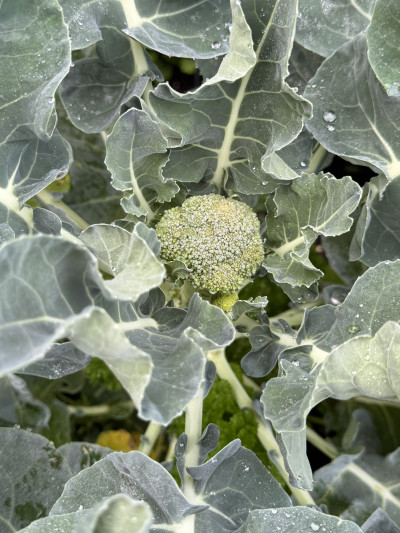
Growing Brassica oleracea var. italica, more commonly known as broccoli, is one of the most rewarding choices for new gardeners. This cool-season vegetable grows reliably, offers excellent nutritional value, and fits well into both small backyard gardens and raised beds. When you understand what Brassica oleracea var. italica needs, you set yourself up for a strong and healthy harvest.
Start by choosing a sunny location. Broccoli performs best with at least six hours of direct sunlight each day. Rich, well-drained soil also plays a major role in success. Work compost into the soil before planting to improve structure and nutrient availability. Since Brassica oleracea var. italica prefers cooler temperatures, plant in early spring or late summer to avoid intense heat, which can cause premature heading.
Space plants about 18 inches apart so they have room to develop fully. Water consistently, keeping the soil evenly moist without letting it become soggy. Steady moisture supports even head formation and prevents stress. Applying mulch helps regulate soil temperature, retain moisture, and reduce weed competition.
As plants grow, monitor them closely. Common pests such as aphids and cabbage worms often target broccoli leaves. Regular inspections make it easier to catch problems early. Hand removal or gentle organic controls usually keep pest pressure manageable, especially when plants remain healthy and unstressed.
Harvest broccoli at the right time for the best flavor and texture. Cut the main head while the buds stay tight and green, just before flowering begins. After harvesting the central head, many plants produce smaller side shoots, extending your harvest period.
For even better results, consider companion planting with Allium sativum, commonly known as garlic. Garlic naturally repels many pests that bother broccoli, including aphids and caterpillars, thanks to its strong scent. Planting garlic nearby helps reduce insect damage without chemical treatments. Garlic also has shallow roots, so it does not compete heavily with broccoli for nutrients or space. Together, these plants create a healthier garden environment and support steady, productive growth.
With thoughtful planning and consistent care, Brassica oleracea var. italica becomes a dependable and confidence-building crop for beginner gardeners, delivering fresh, flavorful harvests season after season.
Broccoli is the flower part of the plant. The tight green clusters you see are unopened flower buds. If left uncut, these buds open into small yellow flowers.
Broccoli first came from the Mediterranean region, especially parts of Italy. People there began growing and improving it thousands of years ago.
Give the plants full sun, steady water, and cool weather. Keep the soil moist but not soaked. Remove weeds so the roots have space to grow. Check the leaves often for pests like caterpillars and pick them off if you see them. Harvest the main head when the buds are tight, and the plant will grow smaller side shoots afterward.
Broccoli grows best in rich, well-drained soil with plenty of organic matter. A slightly acidic to neutral pH (about 6.0–7.0) helps the roots take in nutrients. Adding compost before planting makes the soil healthier and supports strong growth.
Last updated on May 31, 2026
Species suggested by: Dina Russell, 2025
Plant Profile compiled and written by: Team PlantShare
Contributors: Team PlantShare
 Ask Us!

