



 Garden The PlantShare Way ®

~ All About Siebold’s hosta ~


Plantain lilies, scientitfically known as Hosta sieboldii, are prized for their bold foliage, shade tolerance, and low-maintenance nature, which makes them ideal for beginner gardeners. Understanding proper care helps these perennials thrive for many years, whether grown in garden beds or containers. Most plantain lilies prefer partial to full shade, especially varieties with blue or gray leaves, which can lose color in strong sun.
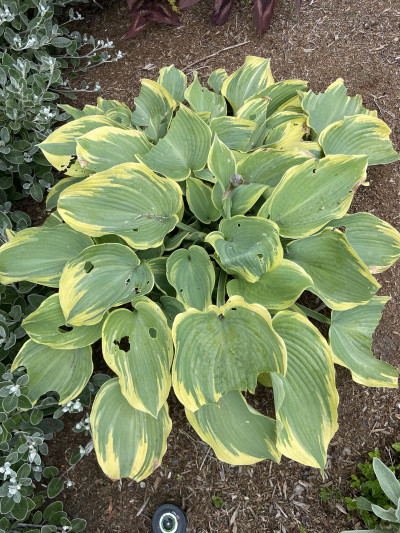
One of the most admired species is Hosta sieboldii, known for its thick, green leaves and strong resistance to pests. This species grows best in rich, well-draining soil that stays consistently moist but never soggy. Adding compost at planting time improves soil structure and supports healthy root development. Water deeply during dry periods, focusing on the soil rather than the leaves to reduce disease risk.
Fertilizing once in spring with a balanced, slow-release fertilizer supports steady growth without encouraging overly soft foliage. Mulching around the plant helps retain moisture and keeps roots cool during warmer months. These simple steps form the foundation of reliable Hosta sieboldii care and keep plants looking full and healthy.
Unlike most plantain lilies, Hosta plantaginea tolerates more sun and is especially valued for its large, fragrant white flowers that bloom in summer, adding both scent and visual interest to shaded gardens.
If you wonder about growing plantain lilies indoors, it’s important to know they usually thrive outdoors but can do well inside for a while or in bright, cool rooms. Choose a wide container with drainage holes and place it near a window with filtered light. Indoor plants need consistent moisture and good air circulation, but they may go dormant in winter, which is normal.
Hosta sieboldii also works well in containers on shaded patios or balconies, where its dramatic leaves can serve as a focal point. With proper soil, shade, and watering, this plant delivers dependable beauty with minimal effort.
Hosta sieboldii prefers partial to full shade. Morning sun is fine, but strong afternoon sun can scorch the leaves. Shade helps the foliage keep its blue-gray color.
This plant grows large compared to many hostas. It usually reaches about 24–30 inches tall and can spread 36–48 inches wide. The leaves are thick and broad, which gives the plant a bold look.
Water it regularly, especially during dry weather. The soil should stay evenly moist but not soggy. Deep watering once or twice a week is better than light daily watering.
Slugs and snails can still feed on this hosta, but damage is usually less severe because the thick leaves are tougher than those of many other hostas. Keeping the area clean and using barriers made of materials like copper tape, mesh fences, or abrasive materials can help reduce problems.
Yes, it is very cold-hardy. It survives winter well in cold regions and comes back each spring. The leaves die back in fall, which is normal for this perennial.
Yes, it grows well in large containers. Use a wide pot with good drainage and rich soil. Place the container in shade and water it more often than plants grown in the ground.
Last updated on May 31, 2026
Species suggested by: Dina Russell, 2026
Plant Profile compiled and written by: Team PlantShare
Contributors: Team PlantShare
 Ask Us!