



 Garden The PlantShare Way ®
~ All About Prairie rose ~


Climbing roses add height, structure, and romance to a garden, making them a favorite choice for walls, fences, and pergolas. Success starts with understanding planting climbing roses the right way and choosing varieties that match your climate and space. One standout native option is Rosa setigera, often called the prairie rose, known for its strength and natural beauty.
When planting climbing roses, always begin with location. Choose a spot that receives at least six hours of direct sunlight each day. Good air flow matters, but avoid exposed areas with strong, drying winds. The soil should drain well and contain plenty of organic matter, since roses grow best when roots stay moist but never waterlogged.
Rosa setigera adapts well to different soil types and tolerates colder winters better than many modern climbers. This makes it a smart choice for gardeners in temperate regions who want a hardy, low-maintenance rose. Unlike some roses, it produces long, flexible canes that train easily along supports without constant pruning.
Proper support is essential when planting Rosa setigera. Install a trellis, arch, or wire system before planting so you can guide new growth early. Tie young canes gently and spread them horizontally to encourage more flowering shoots. Water deeply after planting and keep the soil evenly moist during the first growing season.
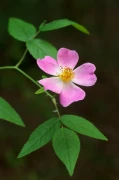
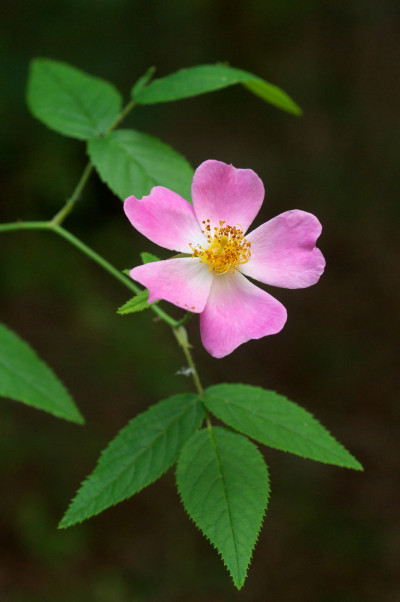
While Rosa setigera blooms mainly once a year, its soft pink flowers attract pollinators and bring a natural, wild charm to the garden. Gardeners looking for different effects can also explore modern climbing roses from the Rosa × hybrida group, which are bred for larger flowers and repeat blooming but usually require more care.
It’s also worth noting that not all roses used near vertical structures are true climbers. Rosa chinensis var. minima, for example, is a compact, non-climbing rose often planted at the base of trellises or walls. While it won’t climb, it pairs well with taller roses by adding continuous color and interest at ground level.
With the right placement and care, climbing roses can thrive for decades. For beginners, combining smart planning with resilient varieties turns climbing roses into a rewarding and long-lasting garden feature.
The best time to plant climbing roses (Rosa setigera) is in early spring or early fall. Spring planting gives the roots time to establish before summer heat. Fall planting works well in mild climates, as long as you plant at least a few weeks before hard frost.
Plant climbing roses (Rosa setigera) in a sunny location with at least six hours of direct light each day. Choose a spot with good air circulation and well-draining soil. They grow especially well near fences, trellises, pergolas, or walls where they can climb and spread.
Yes, you can plant climbing roses in pots, but the container must be large and deep. Use a sturdy pot with drainage holes and provide a strong support like a trellis. Keep in mind that potted roses need more frequent watering and winter protection in cold climates.
When planting climbing roses (Rosa setigera) in the ground, space them about 6 to 8 feet apart. This spacing allows good airflow, reduces disease risk, and gives each plant enough room to spread its long canes.
To plant climbing roses in the ground, dig a hole twice as wide and slightly deeper than the root ball. Loosen the soil at the bottom, place the rose so the roots spread naturally, and backfill with soil mixed with compost. Water deeply after planting and mulch around the base to keep moisture in.
Last updated on May 31, 2026
Species suggested by: Dina Russell, 2026
Plant Profile compiled and written by: Team PlantShare
Contributors: Team PlantShare
 Ask Us!

