



 Garden The PlantShare Way ®
~ All About Peace Lily ~


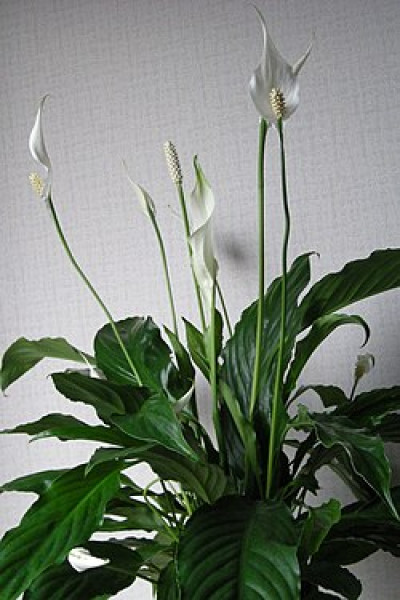
The Peace Lily (Spathiphyllum wallisii) is one of the most popular indoor plants thanks to its elegant white blooms and easy-care nature. For beginners, understanding care of Spathiphyllum wallisii is simple when you focus on light, water, and soil requirements.
One of the most important aspects of healthy growth is meeting the Spathiphyllum wallisii sunlight requirements. It prefers bright, indirect light but can also adapt to lower-light environments. Avoid direct sunlight, which can scorch the leaves and reduce the plant's overall appearance. A spot near an east-facing window often provides ideal conditions.
Proper watering is equally important. To water Spathiphyllum wallisii correctly, allow the top inch of soil to dry slightly before watering again. The plant enjoys consistently moist soil but does not tolerate standing water. Overwatering may lead to root problems, while prolonged dryness can cause drooping leaves. Monitoring soil moisture is the best way to maintain plant health.
Choosing the right soil type helps support strong root development. A loose, well-draining potting mix rich in organic matter works best. Good drainage prevents excess moisture from accumulating around the roots while still retaining enough water for steady growth.
Understanding plant growing conditions also improves flowering. Peace Lilies prefer temperatures between 65°F and 85°F and moderate humidity. Under favorable conditions, the flowering season can occur multiple times throughout the year, although blooming is often strongest in spring and summer.
Gardeners who interested in expanding their collection, the propagation of Spathiphyllum wallisii is usually done through division. During repotting, separate healthy clumps that have roots and plant each clump into an individual container. This method produces mature plants much faster than growing from seed.
Aglaonema commutatum complements the Peace Lily well in indoor plant displays. Both species thrive in similar conditions, including bright, indirect light, moderate humidity, and evenly moist but well-draining soil. The patterned foliage of Aglaonema commutatum provides an attractive contrast to the solid green leaves and white blooms of Spathiphyllum wallisii, adding visual diversity without creating conflicting care requirements. When grown together in the same room or grouped with other tropical houseplants, they help create a lush, layered appearance while remaining relatively easy to maintain. Their shared preference for warm temperatures and indirect light makes them suitable companions for homes, offices, and indoor gardens.
Peace Lilies do best in bright, indirect light and evenly moist soil. Keep them in a warm room, avoid cold drafts, and remove old leaves or faded flowers as needed. They also appreciate moderate humidity.
Plant it in a pot with well-draining, organic-rich soil. Place it where it receives filtered light and water when the top inch of soil begins to dry. Feed with a balanced houseplant fertilizer every few months during active growth.
Yes, but only in warm, frost-free climates. Outdoors, grow it in a shaded or partially shaded area protected from direct afternoon sun. In cooler regions, peace lilies should remain indoors or be brought inside before temperatures drop.
Peace Lilies prefer bright, indirect sunlight. They can tolerate low light, but growth and flowering may slow down. Direct sun often causes leaf scorch and brown patches.
A healthy Peace Lily may bloom once or several times a year. Flowering is usually strongest in spring and early summer, though indoor plants can produce blooms at other times under good conditions.
Yes. Peace Lilies contain calcium oxalate crystals, which can irritate the mouth, tongue, and throat if chewed or swallowed. Keep them away from pets and small children.
Green flowers are often a normal part of flower development. Young blooms may start green, turn white, and become green again as they mature. Excessive light can also cause flowers to develop a greener color.
Water when the top inch of soil feels dry. This is often about once a week, but the schedule depends on temperature, humidity, and light levels. Water thoroughly and allow excess water to drain away.
Last updated on Jul 10, 2026
Species suggested by: Dina Russell, 2026
Plant Profile compiled and written by: Team PlantShare
Contributors: Team PlantShare
 Ask Us!

