



 Garden The PlantShare Way ®
~ All About ZZ Plant ~


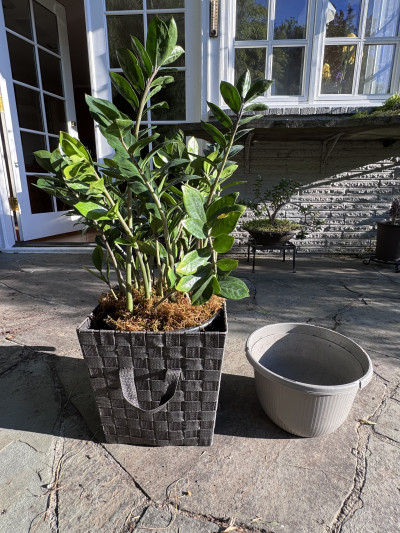
The ZZ plant (Zamioculcas zamiifolia) is one of the easiest houseplants for beginners to grow. Its glossy green leaves, drought tolerance, and adaptability to indoor conditions have made it a favorite among plant enthusiasts. Understanding its plant care helps ensure healthy growth and long-lasting beauty.
One of the biggest advantages of the ZZ plant is its flexible light needs. It thrives in bright, indirect light but can also tolerate low-light environments. While it adapts well to dim rooms, moderate indirect light encourages faster growth and healthier foliage. Avoid prolonged exposure to direct sunlight, which can scorch the leaves.
Proper watering is essential. Zamioculcas zamiifolia stores moisture in its thick rhizomes, allowing it to survive periods of drought. Water only when the soil has dried out completely. Overwatering is the most common cause of problems and may lead to root rot. A pot with drainage holes and a well-draining potting mix helps prevent excess moisture from accumulating.
As for pruning - it is minimal. Remove yellow, damaged, or aging stems at the base to maintain an attractive appearance. Occasional pruning can improve airflow between the stems and encourage healthy new growth.
If you interested in expanding your collection, you can propagate Zamioculcas zamiifolia through division, stem cuttings, or leaf cuttings. Division is the fastest method because it uses established root systems, or 'rhizomes'. Leaf and stem cuttings requries patience because new roots take time to initiate and then develop.
Dracaena trifasciata 'Hahnii', commonly known as the Bird's Nest Snake Plant, is a great companion plant for the ZZ plant in indoor containers. Its compact, rosette-shaped growth provides an attractive contrast to the upright stems and glossy leaflets of Zamioculcas zamiifolia. Both plants tolerate bright, indirect light as well as lower-light conditions so they will thrive in the same indoor environments. Like the Zz plant, Dracaena trifasciata 'Hahnii' prefers the soil to dry out completely between waterings so that they can share the same soil.
Important! Zamioculcas zamiifolia is toxic because this plant contains calcium oxalate crystals, which may cause irritation if chewed or swallowed. Keep it out of reach of pets and young children to avoid accidental exposure.
Yes, ZZ plants tolerate being slightly root bound and often grow well in snug pots. However, when roots completely fill the container and growth slows significantly, it's time to move the plant to a pot that is one size larger.
Indoors, most ZZ plants grow 2–4 feet (60–120 cm) tall and about 2–3 feet (60–90 cm) wide. Mature plants can become quite full and bushy with proper care.
Place it in bright, indirect light or a low-light area. Water only when the soil has dried completely, and use a well-draining potting mix. Remove yellow or damaged stems if unsightly and avoid overwatering.
Pot a healthy plant - one with shiny leaves - in a container with drainage holes. Provide indirect light, allow the soil to dry between waterings, and keep temperatures above 60°F (16°C). Growth is slow but steady under good conditions.
Yes, but they do not need direct sunlight. They prefer bright, indirect light and can also survive in low-light rooms. Direct sun can scorch the leaves and cause discoloration.
ZZ plants are slow to moderate growers. Under bright, indirect light, they typically produce several new stems each growing season. In low light, growth is much slower, but the plant usually remains healthy.
Last updated on Jul 29, 2026
Species suggested by: Dina Russell, 2026
Plant Profile compiled and written by: Team PlantShare
Contributors: Team PlantShare
 Ask Us!

