



 Garden The PlantShare Way ®
~ All About Chinese Evergreen ~


Chinese Evergreen (Aglaonema commutatum) is one of the most reliable and beginner-friendly houseplants available. Its attractive patterned foliage, adaptability, and low maintenance needs make it a favorite for homes and offices. Understanding proper care will help you keep this plant healthy and vibrant for many years.
One of the reasons Chinese Evergreen is so popular is its flexibility when it comes to light. While its sunlight needs are modest, the plant performs best in bright, indirect light. It can tolerate lower light conditions better than many houseplants, although growth may slow and leaf coloration may become less vivid. Direct sunlight should be avoided because it can scorch the leaves.
Proper watering is essential for healthy growth. Water Aglaonema commutatum thoroughly when the top inch or two of soil feels dry. The soil should remain slightly moist but never waterlogged. Overwatering is one of the most common causes of root problems, so always use a container with good drainage.
Routine pruning helps maintain an attractive shape. Remove yellowing, damaged, or aging leaves near the base of the plant. Occasional pruning encourages fresh growth and improves the plant's appearance without requiring extensive maintenance.
Many gardeners enjoy propagation in water because it is simple. Healthy stem cuttings can develop roots in a container of clean water before being transferred to soil. This method allows you to create additional plants with minimal effort.
Important to know that Chinese Evergreen is a poisonous plant. The plant contains calcium oxalate crystals, which may cause irritation if chewed or swallowed. Keep it away from pets and children to prevent accidental ingestion.
Epipremnum aureum (Golden Pothos) nicely complements Chinese Evergreen in indoor plant displays. The cascading vines and heart-shaped leaves of Epipremnum aureum contrast beautifully with the upright, patterned foliage of Aglaonema commutatum, creating a layered and visually appealing arrangement. Both plants thrive in bright, indirect light and tolerate lower-light conditions, making them suitable for homes and offices. Because Golden Pothos generally prefers slightly more frequent watering than Chinese Evergreen, they are best grown in separate pots while displayed together in the same container. This allows each plant to receive the appropriate level of moisture while maintaining a cohesive, low-maintenance tropical display.
With proper plant care, balanced watering and light, Chinese Evergreen remains a beautiful and dependable indoor plant. Its resilience, decorative foliage, and easy propagation make it an excellent choice for beginners and experienced plant enthusiasts alike.
Aglaonema commutatum, also known as Chinese Evergreen, grows best in bright, indirect light but can tolerate lower light levels. Water when the top inch or two of soil feels dry, and use a well-draining potting mix. Keep the plant in temperatures between 65°F and 85°F (18°C–29°C) and protect it from cold drafts. Occasional feeding during spring and summer helps support healthy growth.
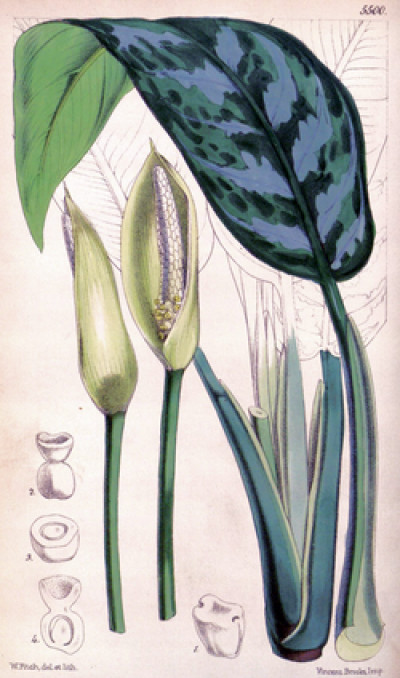
Yes, Chinese Evergreens can produce flowers. The blooms are small and consist of a pale spathe surrounding a central spadix, similar to a peace lily flower. However, most people grow the plant for its attractive foliage rather than its flowers.
Most indoor Chinese Evergreens grow between 1 and 3 feet (30–90 cm) tall and wide. Some larger varieties can reach about 4 feet (120 cm) in ideal conditions, but they generally remain compact and easy to manage indoors.
Yes, Chinese Evergreens are considered toxic if chewed or swallowed. They contain calcium oxalate crystals that can cause irritation of the mouth, tongue, and throat. Keep the plant out of reach of pets and young children to prevent accidental ingestion.
Last updated on Jul 10, 2026
Species suggested by: Dina Russell, 2026
Plant Profile compiled and written by: Team PlantShare
Contributors: Team PlantShare
 Ask Us!

