



 Garden The PlantShare Way ®
~ All About Jade Plant ~


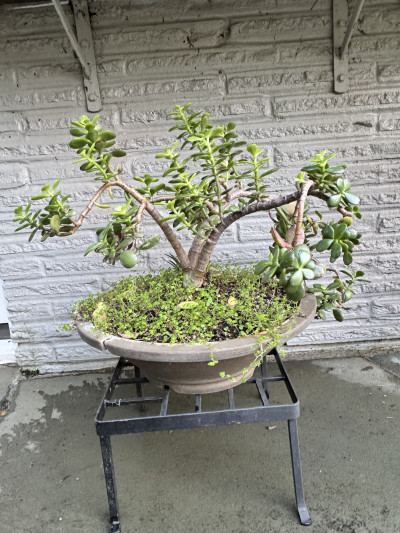
Crassula ovata, commonly known as the Jade Plant, is a popular succulent valued for its thick, glossy leaves and long lifespan. Its durability and low-maintenance nature make it an excellent choice for beginners. Understanding proper plant care helps ensure healthy growth and an attractive appearance throughout the year.
One of the most important aspects of successful Jade Plant cultivation is proper watering. Like most succulents, Jade Plants store water in their leaves and stems. Water thoroughly when the soil has dried out completely, then allow excess moisture to drain away. Overwatering is the most common cause of problems and can lead to root rot. During winter, reduce watering because the plant grows more slowly and requires less moisture.
Good lighting also plays a key role in healthy development. Place the plant in a location that receives several hours of bright light each day. A sunny windowsill often provides ideal conditions for compact growth and vibrant foliage. You can also train Crassula ovata to have a weeping appearance by growing it in lower light conditions.
Regular pruning helps maintain a balanced shape and encourages branching. Remove leggy stems, damaged growth, or overcrowded branches using clean pruning tools. Pruning Crassula ovata can also improve air circulation and create a fuller, more attractive plant.
Many gardeners enjoy propagating Crassula ovata because it is simple and highly successful. New plants can be grown from stem cuttings or individual leaves. Allow the cut surface to dry for a few days before planting it in a well-draining succulent mix. With proper care, roots usually develop within a few weeks.
Need to mention that Crassula ovata is poisonous plant for pets. Cats and dogs may experience digestive upset after consuming plant material, so it is best to keep the plant out of their reach.
As a companion plant, Crassula schmidtii works well with Jade Plants in succulent arrangements. It has a more compact, low-growing habit that contrasts with the thicker, upright structure of Crassula ovata. Both plants share similar care needs, including bright light, minimal watering, and well-draining soil, making them easy to grow together in the same container or grouped displays. Their differences in form and texture help create a balanced succulent composition without increasing complexity of maintenance.
With proper plant care, occasional pruning, and careful watering, Jade Plants can thrive for decades and become beautiful, long-lasting additions to indoor gardens.
A jade plant (Crassula ovata) can grow 3–6 feet (0.9–1.8 m) tall and several feet wide when mature. Indoors, most plants stay smaller, usually reaching 2–4 feet (60–120 cm) in height.
Take a healthy stem cutting or leaf and let the cut end dry for a few days. This allows a protective callus to form. Place the cutting in a well-draining succulent mix and keep the soil lightly moist until roots develop. Most cuttings root within a few weeks.
Jade plants prefer bright light and grow best with at least 4–6 hours of sunlight per day. A sunny south- or west-facing window is often ideal. Too little light can cause weak, stretched growth.
Water only when the soil has dried out completely. During spring and summer, this may be every 2–3 weeks. In winter, watering is usually needed less often. Always avoid leaving the roots in soggy soil.
Mature jade plants may bloom in winter when they receive bright light, cooler nighttime temperatures, and a period of reduced watering in fall. Younger plants rarely flower, so patience is important.
Yes, jade plants can grow outdoors in warm, frost-free climates. They prefer plenty of sunlight and well-draining soil. In areas with freezing temperatures, they should be grown in containers and moved indoors before frost arrives.
A jade cutting may develop roots in water, but long-term growth in water is not ideal. Jade plants perform much better in a fast-draining soil designed for succulents and cacti.
Repot jade plants every 2–3 years or when they become root-bound. Spring is usually the best time because the plant is entering its active growing season and recovers more quickly.
Last updated on Jul 10, 2026
Species suggested by: Dina Russell, 2026
Plant Profile compiled and written by: Team PlantShare
Contributors: Team PlantShare
 Ask Us!

