




 Garden The PlantShare Way ®
~ All About Rubber Plant ~


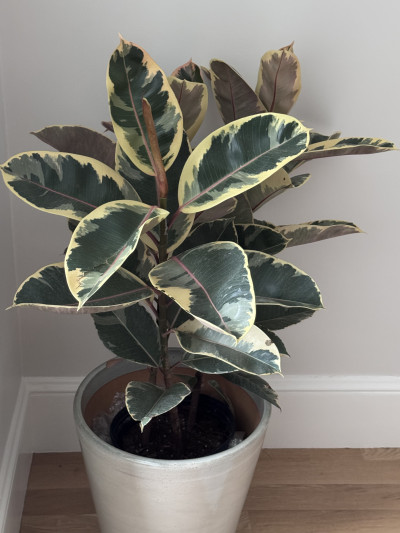
The Rubber Tree (Ficus elastica) is a popular houseplant admired for its large, glossy leaves and easy-care nature. Whether you are new to indoor gardening or looking for a reliable statement plant, understanding proper plant care will help you grow a healthy and attractive specimen for years.
When you plant Ficus elastica, choosing the right growing medium is essential. The ideal soil for Rubber Tree should be loose, rich in organic matter, and well-draining. A mix containing potting soil, perlite, and coco coir or peat moss works well. Good drainage prevents excess moisture from collecting around the roots, reducing the risk of root rot.
Light plays a major role in healthy growth. Place your Rubber Tree in bright, indirect sunlight. While it can tolerate moderate light, stronger indirect light encourages larger leaves and more vigorous growth. Water when the top few inches of soil feel dry, and avoid overwatering, which is one of the most common causes of plant decline.
Regular pruning of Ficus elastica helps maintain its shape and size. Trimming leggy stems encourages branching and creates a fuller, more balanced plant. Remove damaged or yellowing leaves whenever necessary to keep the plant looking its best.
Many gardeners enjoy propagating Ficus elastica because it is simple for any gardener. Stem cuttings taken from healthy growth can root successfully in water or moist potting mix. Once roots develop, the new plant can be transferred to its own container and cared for like a mature specimen.
Another important topic is Ficus elastica toxicity. The plant produces a milky sap that may irritate the skin and can be harmful if ingested by pets or people. Wearing gloves during pruning and keeping the plant away from curious animals is recommended.
Epipremnum aureum (Golden Pothos) complements the Rubber Tree by adding a trailing growth habit that contrasts with the tree's upright structure and large, glossy leaves. Both plants thrive in bright, indirect light and adapt well to typical indoor conditions, making them easy to display together in homes or offices. Since Epipremnum aureum generally requires slightly more frequent watering than Ficus elastica, they are best grown in separate containers so each plant can receive the appropriate amount of moisture. Placing the plants next to each other inside a container that holds both pots creates a lush, layered indoor display with contrasting foliage shapes and growth habits.
With proper care, suitable soil, and occasional maintenance, Ficus elastica can become a long-lasting centerpiece in any indoor space.
The easiest way to propagate Ficus elastica is with a stem cutting. Cut a healthy stem just below a leaf node, remove the lower leaves, and place the cutting in water or moist potting mix. Keep it warm and in bright, indirect light. Roots usually begin to develop within a few weeks.
Wipe the leaves gently with a soft, damp cloth to remove dust. Support each leaf with one hand while cleaning. For heavily dusty plants, you can rinse the foliage with lukewarm water. Clean leaves absorb light more efficiently and help the plant stay healthy.
Water thoroughly when the top 1–2 inches (2.5–5 cm) of soil feel dry. The exact schedule depends on light, temperature, and humidity, but many indoor rubber plants need water about every 1–2 weeks during active growth. Always allow excess water to drain away and avoid keeping the soil constantly wet.
Use clean, sharp pruning shears to cut stems just above a leaf node. Trim long or leggy branches to control height and encourage bushier growth. The best time to prune is during spring or summer when the plant is actively growing. Because the plant releases a milky sap, wearing gloves is a good idea to protect your skin from irritation.
Last updated on Jul 10, 2026
Species suggested by: Dina Russell, 2026
Plant Profile compiled and written by: Team PlantShare
Contributors: Team PlantShare
 Ask Us!

