



 Garden The PlantShare Way ®
~ All About Watermelon Peperomia ~

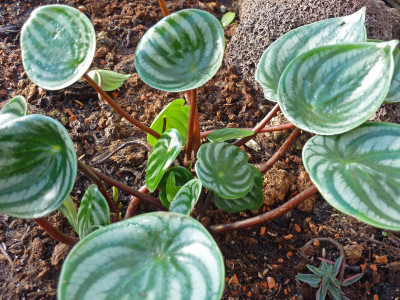
Peperomia argyreia, commonly known as the Watermelon Peperomia, is a compact tropical houseplant admired for its striking silver-striped leaves that resemble the rind of a watermelon. Its manageable size, decorative foliage, and easy-going nature make it an excellent choice for beginners looking to add greenery to their indoor spaces.
Successful Peperomia argyreia care begins with proper lighting. This plant thrives in bright, indirect light, which helps maintain its distinctive leaf patterns and healthy growth. While it can tolerate moderate light conditions, insufficient light may slow growth and reduce the vibrancy of the foliage. Direct sunlight should be avoided because it can scorch the leaves.
Watering is another important aspect of Peperomia argyreia. Allow the top inch or two of soil to dry before watering thoroughly. The plant stores some moisture in its thick leaves, making it prefer to be on the drier side - think slight drought. Consistently soggy soil can lead to root rot, so good drainage is essential.
When growing Peperomia argyreia, choose a loose, well-draining potting mix. A blend formulated for houseplants with added perlite works well. Containers with drainage holes help prevent excess moisture from accumulating around the roots.
This plant prefers temperatures between 65°F and 80°F (18°C–27°C) and enjoys moderate humidity. Although it adapts well to average indoor conditions, occasional increases in humidity can encourage healthier foliage, especially in winter. Try putting a tray of small rocks under the pot. If you keep these rocks wet, water evaporating from them will create local humidity that Peperomia argyreia craves.
Propagation is simple. Leaf cuttings or stem cuttings can produce new plants when placed in moist growing medium under warm conditions. This makes Peperomia argyreia an excellent choice for gardeners who enjoy the challenge of plant propagation, expanding their collection or sharing plants with others.
As a companion plant, Selaginella kraussiana requires the same bright, indirect light as Peperomia argyreia and appreciates warm indoor temperatures too. Both plants benefit from increased humidity, making them suitable for terrariums or humid rooms such as kitchens and bathrooms.
With proper care, including suitable light, careful watering, and well-draining soil, this charming houseplant remains healthy and vibrant throughout the year. Its unique foliage and compact growth habit make it a standout addition to desks, shelves, and indoor plant displays.
Check the soil with your finger. If the top 1–2 inches (2.5–5 cm) feel dry, it's time to water. Water thoroughly until excess water drains from the bottom of the pot. Avoid watering on a fixed schedule, as the plant's needs change with the seasons and indoor conditions.
Yes, this is completely normal. Peperomia argyreia is a relatively slow-growing houseplant. Growth is usually most vigorous during spring and summer and slows significantly in fall and winter. Low light, cool temperatures, or a root-bound pot can slow growth even further. When the plant is happy, the leaves look sparkly, almost irridescent.
It grows best in bright, indirect light. A spot near an east-facing window or a few feet from a bright south- or west-facing window often works well. Too little light can cause slower growth, spindly 'petioles' (leaf stalks), smaller leaf 'blades' (the flat part with the stripes), and weaker patterns on the leaf blades, while direct sunlight may burn the leaves.
This is often a sign that the plant needs more light. Insufficient light can reduce leaf size and make the silver striping less noticeable. Other possible causes include nutrient deficiencies, inconsistent watering, or natural stress from recent repotting or environmental changes. Improving light conditions usually helps future leaves develop their full size and pattern.
Last updated on Jul 21, 2026
Species suggested by: Dina Russell, 2026
Plant Profile compiled and written by: Team PlantShare
Contributors: Team PlantShare
 Ask Us!

