



 Garden The PlantShare Way ®

~ All About Abyssinian gladiolus ~


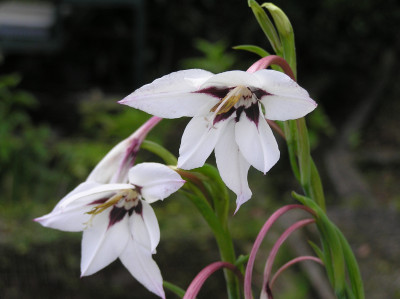
The Gladiolus murielae, commonly known as the peacock orchid, stands out for its striking white blooms and deep purple centers. Despite the name, it is not a true orchid. This elegant plant belongs to the iris family and brings a dramatic, fragrant touch to late-summer gardens. For beginners, it offers beauty without complicated care, as long as you follow a few simple guidelines.
Gardeners often ask whether the peacock orchid is a true perennial. In warm climates, the peacock orchid perennial habit becomes clear, because the corms can survive winter in the ground. In cooler regions, you should lift and store the corms in fall to protect them from frost. This extra step ensures healthy regrowth the following season.
Choosing the right spot plays a big role in success. Gladiolus murielae corms in full sun, where they will receive at least six hours of direct light daily. Sun helps the stems grow strong and the blooms open fully. Well-draining soil also matters, as soggy conditions can cause rot. Mix compost or sand into heavy soil to improve balance and airflow around the roots.
A related plant often grown alongside it is Crocosmia aurea, which also grows from corms and produces arching stems of bright golden-orange flowers in summer. Like the peacock orchid, it prefers full sun and well-drained soil, making the two excellent companions in mixed borders that provide both contrast and extended seasonal color.
Water the area lightly after planting, then keep the soil just slightly moist during the growing period. Avoid overwatering once the plant is established. Feeding with a gentle, balanced fertilizer in spring gives the plant energy for strong flowering later in the season.
Following reliable growing tips makes a noticeable difference. Space corms about four inches apart and plant them three to four inches deep. This spacing allows for air circulation and prevents overcrowding. As flowers fade, remove spent blooms to keep the plant looking fresh and encourage longer display.
With its bold pattern, easy care, and impressive height, Gladiolus murielae is an excellent choice for beginners who want a sophisticated look without complicated upkeep. It works well in garden beds, along paths, and even in large containers, bringing a refined finish to any planting design.
Yes, they can be perennials in warm climates. In areas without hard frost, the corms survive in the ground and grow back each year. In colder regions, you need to dig up and store the corms before winter, then replant them in spring.
Plant the corms in spring once the danger of frost is gone. Place them about 3–4 inches deep with the pointed end facing up. Space each one around 4–6 inches apart so they have room to grow. Water lightly after planting.
Well-draining soil works best. Sandy or loamy soil is ideal because it keeps water from sitting around the roots. If your soil is heavy or clay-based, mix in sand or compost to improve drainage.
Water when the top inch of soil feels dry. During active growth, this usually means about once a week. Do not overwater, since soggy soil can rot the corms. Once the plant finishes blooming, reduce watering and let the soil dry out more between waterings.
Last updated on Aug 31, 2026
Species suggested by: Dina Russell, 2020
Plant Profile compiled and written by: Team PlantShare
Contributors: Team PlantShare
 Ask Us!