



 Garden The PlantShare Way ®

~ All About Strawberry Tree ~


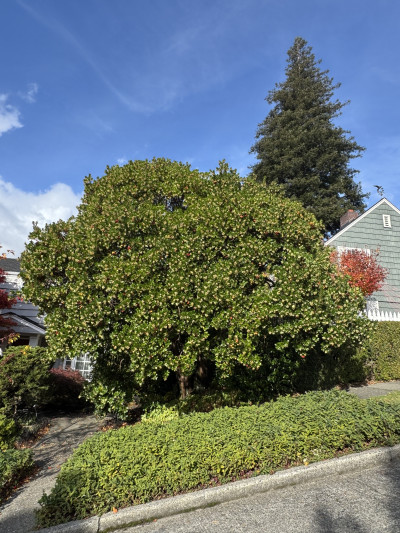
Arbutus unedo, commonly known as the Strawberry Tree, is an evergreen shrub or small tree valued for its attractive bark, glossy leaves, and colorful fruits. Native to the Mediterranean region, it suits gardens with mild winters and warm summers. With the right growing conditions, this hardy plant provides year-round interest and supports pollinators.
Plant Arbutus unedo in full sun or partial shade. Choose a location with well-drained soil, as waterlogged roots can cause serious problems. Once established, the strawberry tree tolerates drought, although regular watering during its first growing season helps develop a strong root system. Avoid excessive fertilizer, which can encourage leafy growth at the expense of flowers and fruit.
The bell-shaped flowers usually appear in autumn and winter, often alongside the previous season’s ripening fruits. Their pale pink or white color attracts bees and other pollinators when fewer plants bloom. The rounded fruits gradually turn red as they mature, adding ornamental value.
Arbutus unedo pruning requires a light touch. Remove dead, damaged, or crossing branches in late winter or early spring, and trim lightly to maintain the desired shape. Avoid heavy pruning, which can spoil the plant’s natural form and reduce flowering. This tree generally develops an attractive structure without extensive intervention.
Understanding diseases of Arbutus unedo helps keep the plant healthy. Root rot can develop in poorly drained soil, while leaf spots may appear in damp conditions. Provide good airflow, avoid overwatering, and remove affected leaves when necessary. Inspect foliage regularly for unusual discoloration or damage.
Propagation is possible through seeds or semi-hardwood cuttings. Fresh seeds may germinate slowly and often benefit from a period of cold stratification. Sow them in a well-draining seed-starting mix and keep the medium lightly moist. Cuttings taken during the growing season can also produce new plants, although rooting may take time.
As a companion plant, Rhododendron can add lush foliage and colorful spring blooms near Arbutus unedo. Both plants are evergreen and benefit from well-drained soil, but their soil preferences need attention. Rhododendrons thrive in acidic soil rich in organic matter, while the Strawberry Tree tolerates a broader range of soil conditions, including mildly alkaline soil. Choose a naturally acidic planting site to accommodate both species, and provide enough space for air circulation and mature growth. Rhododendrons also prefer partial shade in warmer climates, which can suit the Strawberry Tree when grown in similar conditions.
The ripe fruits of Arbutus unedo can be used to make jams, jellies, and preserves. Their mildly sweet, somewhat grainy flesh works well when cooked with sugar and a little lemon juice. Harvest fully red, ripe fruits and wash them thoroughly before preparation. The fruit can also be used in sauces and other cooked recipes, adding a distinctive Mediterranean flavor to homemade preserves.
A Strawberry Tree (Arbutus unedo) typically grows 10–35 feet tall and 10–25 feet wide, depending on the climate and growing conditions. It grows slowly to moderately and can develop into a large shrub or a small tree.
Yes, Strawberry Tree fruits are edible when fully ripe. They turn red and become softer as they mature. Their flavor is mildly sweet, though the texture can be grainy. People can eat them fresh or use them to make jams and preserves.
Yes, Arbutus unedo grows well in many coastal gardens. It tolerates salt spray and wind once established, making it a good choice for seaside landscapes. Plant it in well-drained soil and provide some shelter from strong winds when young.
Yes, a Strawberry Tree can grow in a large container, especially when young. Choose a pot with drainage holes and use a well-draining potting mix. Water when the top layer of soil begins to dry, and repot as the roots grow. Container plants may need winter protection in colder climates.
A Strawberry Tree usually flowers in autumn and early winter, often from October through December in mild climates. Its small, bell-shaped white or pale pink flowers can appear while red fruits from the previous flowering season are still ripening. The exact flowering period depends on the local climate.
Last updated on Oct 26, 2026
Species suggested by: Dina Russell, 2026
Plant Profile compiled and written by: Team PlantShare
Contributors: Team PlantShare
 Ask Us!