



 Garden The PlantShare Way ®

~ All About Christmas Camellia ~


Camellia sasanqua is an evergreen shrub known for its glossy leaves and beautiful flowers. Unlike many other camellias, it blooms during the cooler months, bringing color to the garden when many plants are not flowering. With proper care, this versatile shrub can grow as a hedge, privacy screen, or attractive landscape feature.
Successful planting Camellia sasanqua starts with choosing the right location. Select a spot with partial shade or gentle morning sunlight and protection from strong afternoon sun. Use acidic, well-draining soil rich in organic matter. Water regularly during the first growing season to help the plant establish itself. Once mature, it prefers consistently moist soil but cannot tolerate standing water.
The root system is relatively shallow and spreads outward near the soil surface. Avoid digging or cultivating too close to the trunk, as this can damage the roots. Apply a layer of mulch to help retain moisture and regulate soil temperature, keeping it away from the main stem.
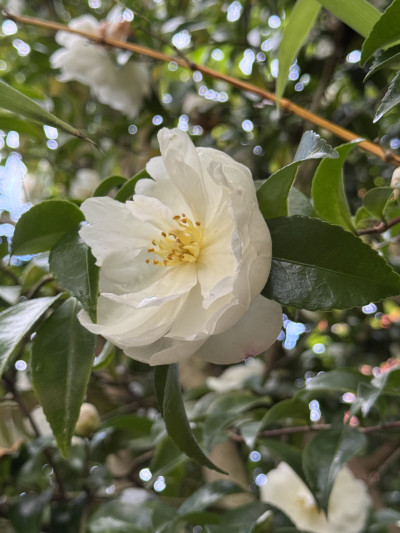
The blooming time of Camellia sasanqua usually falls between fall and early winter, although the exact period depends on the variety and local climate. Flowers may appear in white, pink, or red, with single or double forms.
Camellia sasanqua pruning is best done shortly after flowering ends. Remove dead or damaged branches and trim lightly to maintain the desired shape. Avoid heavy pruning in late summer or fall because it may remove developing flower buds.
Leaf problems can affect plant health. Yellow leaves may indicate poor drainage, excessive watering, or unsuitable soil conditions. Brown edges can result from drought, strong sunlight, or cold winds. Inspect leaves for pests such as scale insects and treat infestations early. Good airflow, proper watering, and suitable soil conditions help prevent many common problems.
As a companion plant, Rhododendron indicum, commonly known as Satsuki Azalea, can add colorful late-spring and early-summer blooms alongside Camellia sasanqua. Both plants prefer acidic, humus-rich, well-drained soil and benefit from partial shade, making them suitable for similar garden settings. Their flowering periods also differ, allowing the planting to provide seasonal interest over a longer period. Rhododendron indicum is generally more compact, so it can grow beneath or near larger camellias, provided it receives enough light and has room to develop. Since both plants have relatively shallow root systems, avoid deep digging around them and use mulch to help maintain consistent soil moisture.
Prune Camellia sasanqua shortly after it finishes flowering, usually in late winter or early spring. This gives the plant time to produce new growth before the next flowering season. Avoid pruning in late summer or fall because you may remove developing flower buds.
Use clean, sharp pruning shears to remove dead, damaged, or crossing branches. Trim long shoots to maintain the desired shape and size. Make cuts just above a healthy leaf or branch junction. Prune lightly because heavy cutting can reduce flowering and spoil the shrub’s natural form.
Space Sasanqua Camellias about 5 - 8 feet apart when planting them as a hedge or screen. For individual shrubs, allow around 8 - 10 feet between plants, depending on the variety's mature width. Proper spacing improves airflow and gives each plant room to grow.
Plant Camellia sasanqua in spring or early fall. These seasons allow the roots to establish before extreme summer heat or winter cold arrives. Choose a location with partial shade and well-drained, acidic soil. Water regularly after planting to help the shrub settle in.
Last updated on Nov 10, 2026
Species suggested by: Dina Russell, 2026
Plant Profile compiled and written by: Team PlantShare
Contributors: Team PlantShare
 Ask Us!