



 Garden The PlantShare Way ®

~ All About Japanese blood grass ~


Japanese blood grass (Imperata cylindrica 'Rubra') is a low-maintenance ornamental plant, but it still benefits from proper care to stay healthy and vibrant. It thrives in full sun yet can handle light shade, and grows best in well-draining soil that holds some moisture without becoming waterlogged, as excess wetness can cause root rot. Young plants need consistent watering during dry spells, while mature clumps become fairly drought-tolerant. Pruning away old foliage in late winter or early spring will encourage fresh, colourful growth and keep the plant looking neat.
While Japanese blood grass adds striking color to gardens, gardeners should be aware that it can become Japanese blood grass invasive in favorable conditions. It spreads slowly through self-seeding and root division. To prevent unwanted spread, monitor seedlings and remove excess shoots from areas where control is necessary. Planting in defined garden beds or containers helps contain growth while still allowing its vibrant red foliage to shine.
Choosing the right companions enhances the appeal of Japanese blood grass. Its companion plants include ornamental grasses like fountain grass, blue fescue, and dwarf miscanthus. Perennials such as black-eyed susans, coneflowers, and sedum also pair well, providing contrasting foliage, complementary colors, and staggered bloom times. These combinations create a layered, dynamic landscape with texture and visual interest.
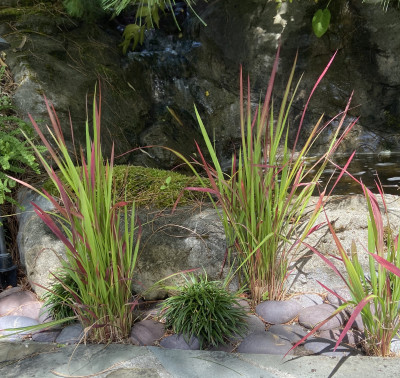
With proper care, careful monitoring of its spread, and thoughtful companion planting, Japanese blood grass can become a focal point in gardens. Its striking red leaves and graceful arching habit make it a standout in mixed borders, rock gardens, and ornamental grass collections. By following basic plant care practices and integrating complementary plants, gardeners can enjoy a vibrant, low-maintenance addition that enhances both color and structure in the landscape.
Japanese blood grass typically grows to about 12–18 inches (30–45 cm) tall when considering the bright red foliage, but the green leaves at the base can sometimes be slightly taller.
Yes, applying a thin layer of mulch around Japanese blood grass helps retain soil moisture and suppress weeds. Avoid piling mulch directly against the crown, as this can lead to rot.
Japanese blood grass thrives in full sun. Full sunlight promotes the vivid red coloration of the foliage. In partial shade, the red color may be less intense, and the plant can appear more green.
Water regularly during the first season to help establish roots. Once mature, Japanese blood grass is moderately drought-tolerant and only needs occasional watering during prolonged dry periods. Avoid overwatering, as soggy soil can damage the roots.
Last updated on Jun 26, 2026
Species suggested by: Dina Russell, 2020
Plant Profile compiled and written by: Team PlantShare
Contributors: Team PlantShare
 Ask Us!