



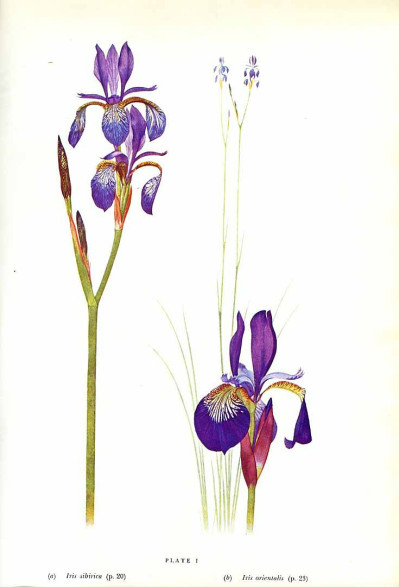
Blue Iris Sibirica

 Garden The PlantShare Way ®
~ All About Siberian iris ~


The Siberian iris (Iris sibirica) is a hardy perennial prized for its elegant, sword-like foliage and striking blooms. Proper Siberian iris care starts with selecting the right location. These irises thrive in full sun but can tolerate light shade, so understanding sun and light requirements is essential for optimal flowering. Planting in an area with at least six hours of sunlight per day encourages strong growth and vibrant blooms.
Growing Siberian iris is straightforward when you provide well-draining soil and adequate moisture, especially during the growing season. These plants are adaptable to various soil types, but adding compost or organic matter can improve overall health and flowering. Siberian iris growing conditions that include consistent water and partial shelter from strong winds produce the best results.
Its bloom time usually occurs in late spring to early summer. If your plant is not blooming, it may be too shaded, overcrowded, or nutrient-deficient. Dividing older clumps every three to four years revitalizes the plant and encourages more prolific flowering.
Transplanting Siberian iris should be done in late summer or early fall. Carefully dig up the rhizomes, trim any damaged roots, and replant at the same depth to avoid stress. For gardeners interested in expanding their iris beds, propagation can be achieved by dividing rhizomes or seed sowing, though division is faster and more reliable for producing flowering plants.
Regular maintenance, including removing old foliage and occasional feeding with a balanced fertilizer, ensures long-term success. With attention to light, soil, and water needs, Siberian iris care rewards gardeners with graceful foliage and abundant, colorful blooms year after year.
Coming Soon!
Plant Siberian iris in full sun to partial shade with well-draining, fertile soil. Space rhizomes 12–18 inches apart and water regularly during the growing season. Mulching helps retain moisture and suppress weeds.
Divide Siberian iris every 3–4 years in late summer or early fall, after flowering, when clumps become crowded or bloom production decreases.
Siberian irises typically bloom in late spring to early summer, producing tall, elegant flowers along their sword-like foliage.
Transplant in late summer or early fall, giving the plant time to establish roots before winter. Avoid moving them during peak bloom.
Carefully dig up the clump and separate the rhizomes, making sure each section has healthy roots and shoots. Replant the divisions at the same depth and water well.
Siberian irises tolerate light shade but perform best in full sun. Too much shade may reduce flowering and slow growth.
Provide consistent water, especially during dry spells, and feed lightly in early spring with a balanced fertilizer. Remove old leaves after blooming to keep the plant tidy and reduce disease risk.
Last updated on May 31, 2026
Species suggested by: Dina Russell, 2020
Plant Profile compiled and written by: Team PlantShare
Contributors: Team PlantShare
 Ask Us!

