



 Garden The PlantShare Way ®

~ All About Lemon daylily ~

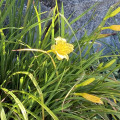
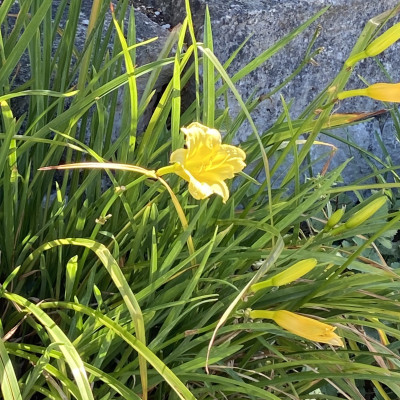
Hemerocallis lilioasphodelus, commonly known as Yellow Daylily or Lemon Daylily, is a popular perennial prized for its bright, cheerful flowers. For gardeners starting out, understanding care is essential to ensure healthy growth and long-lasting blooms. These plants thrive in well-draining soil and full sun but can tolerate partial shade. Regular watering during dry periods helps support strong foliage and abundant flowers.
Exploring different Yellow Daylily varieties can add diversity and interest to your garden. From soft butter tones to rich golden hues, these varieties provide a range of shapes, sizes, and bloom patterns. Planting a mix of varieties can extend the flowering season and create a vibrant display that complements other perennials.
Knowing the Yellow Daylily bloom time helps gardeners plan for continuous color in the garden. Most Hemerocallis varieties bloom in early to mid-summer, with individual flowers lasting just one day, but new blooms open successively over several weeks. Deadheading spent flowers encourages more blooms and keeps plants looking tidy.
For optimal growth, fertilize lightly in spring and mulch around the base to retain moisture and suppress weeds. Dividing clumps every three to five years rejuvenates the plants, prevents overcrowding, and encourages more vigorous flowering.
In addition to Hemerocallis lilioasphodelus, gardeners often encounter Hemerocallis fulva, commonly known as the Orange Daylily or Ditch Daylily. Unlike the Yellow Daylily, Hemerocallis fulva features orange to reddish-orange flowers and is known for its vigorous growth habit. It spreads readily through underground rhizomes and can naturalize quickly, sometimes becoming invasive if not managed. While it is extremely hardy and tolerant of poor soil and drought, gardeners should plant it with care and provide space to prevent it from overtaking nearby plants.
Hemerocallis lilioasphodelus is generally low-maintenance and resistant to pests and diseases, making it ideal for beginner gardeners. By following simple planting and care guidelines, even a novice gardener can enjoy the beauty of Hemerocallis lilioasphodelus year after year. With proper attention, these hardy perennials provide reliable color, texture, and visual interest in flower beds, borders, and containers, making them a versatile and rewarding addition to any garden landscape.
Yellow Daylily (Hemerocallis lilioasphodelus) prefers well-draining soil that is rich in organic matter. A loamy or sandy soil mix works best, as it allows roots to grow easily and prevents waterlogging.
Yes, Yellow Daylily (Hemerocallis lilioasphodelus) produces a gentle, sweet fragrance. The scent is subtle but noticeable, especially when several plants are in bloom together.
Yellow Daylily (Hemerocallis lilioasphodelus) typically reaches 24–36 inches in height and spreads about 18–24 inches wide. Over time, clumps can expand, forming a dense, colorful border.
For the best results, plant Yellow Daylily (Hemerocallis lilioasphodelus) in fertile, well-draining soil. Adding compost or organic matter improves soil structure, retains moisture, and supports strong, healthy growth.
Last updated on May 31, 2026
Species suggested by: Dina Russell, 2020
Plant Profile compiled and written by: Team PlantShare
Contributors: Team PlantShare
 Ask Us!