


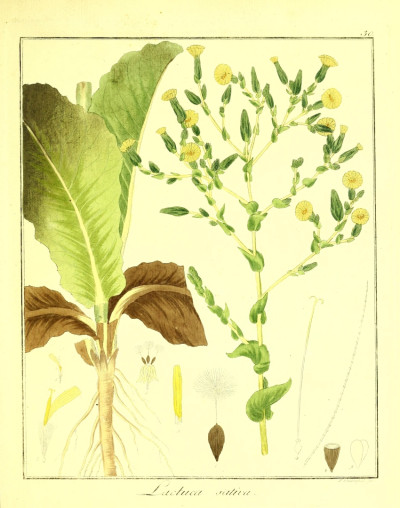
Boston Lettuce

 Garden The PlantShare Way ®

~ All About Leaf lettuce ~


Lettuce is one of the easiest and most rewarding crops for new gardeners. It grows quickly, takes up little space, and provides a steady harvest of fresh greens. Understanding the different types of Lettuce and their needs will help you enjoy crisp, healthy leaves throughout the season.
There are several main Lettuce types to choose from, each with unique qualities. Leaf Lettuce grows fast and can be harvested a few leaves at a time. Romaine, also called cos, produces tall heads with crunchy ribs. Butterhead varieties form soft, tender heads, while crisphead types, such as Iceberg, are known for their firm, dense texture. By planting a mix, you can enjoy variety in both taste and appearance.
Lettuce thrives in cool weather, making spring and fall the best times to plant. It prefers full sun but can tolerate partial shade, especially in warmer climates. Loose, fertile soil with good drainage will keep plants healthy. Regular watering is important because shallow roots dry out quickly. With consistent moisture and rich soil, Lettuce matures in as little as 30 days for baby leaves and about 60 days for full heads.
Beyond its role in the kitchen, Lettuce has been valued historically for its calming properties. Some traditional remedies highlight Lactuca sativa medicinal uses, including mild sleep and digestion support. While modern science studies these uses cautiously, lettuce remains a nutrient-rich food, providing vitamins A, C, and K along with fiber and hydration.
By choosing the right Lettuce types and learning about both its culinary and potential medicinal uses, gardeners can enjoy a versatile crop that is as practical as it is nutritious. Lettuce is a perfect choice for beginners who want quick results and fresh flavor straight from the garden.
Yes, Lettuce is a leafy green plant. Its scientific name is Lactuca sativa, and it is widely grown as a vegetable.
Lettuce comes from the Mediterranean region. It was first cultivated thousands of years ago and later spread around the world.
Lettuce is ready when the leaves are large enough to eat or when heads feel firm and full. Harvest leaf types by cutting the outer leaves, and pick head types before they start to bolt, or send up a tall flower stalk.
Yes, Lettuce can handle light frost. In fact, cool weather improves its flavor. However, hard freezes can damage or kill the plant, so protection may be needed in colder climates.
Last updated on May 31, 2026
Species suggested by: Dina Russell, 2020
Plant Profile compiled and written by: Team PlantShare
Contributors: Team PlantShare
 Ask Us!