



 Garden The PlantShare Way ®

~ All About Venus' Chariot ~


Aconitum napellus, also known as Wolfsbane, adds dramatic color and height to shade-friendly gardens, but it requires informed care. Planting Aconitum napellus starts with choosing the right location. This perennial prefers partial shade, especially in warmer regions, and rich, consistently moist soil with good drainage. Morning sun with afternoon shade works well, helping plants grow strong without stress.
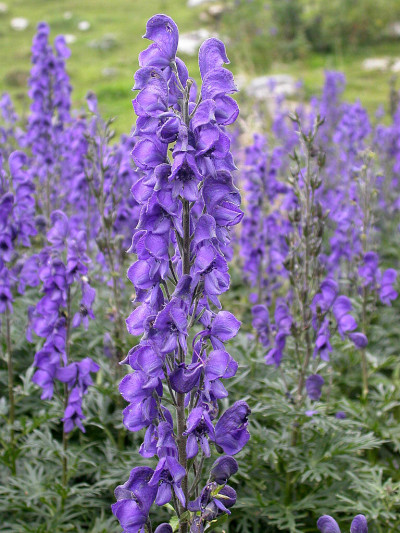
Gardeners should understand that Aconitum napellus is a poisonous plant. Every part of the plant contains toxins, so wear gloves when handling it and avoid planting where children or pets play. Despite this risk, many gardeners value monkshood for its tall spikes of deep blue or purple flowers that bloom in late summer and early fall, when many other perennials fade.
Climate plays a key role in success. Most Wolfsbane species thrive in growing zone USDA 3–7, where cool summers and cold winters support healthy growth. In hotter zones, extra shade and regular watering become essential. Mulching helps keep roots cool and soil evenly moist, which Aconitum napellus prefers.
For a balanced and visually rich planting, Astilbe chinensis makes an excellent companion plant for Aconitum napellus. Astilbe chinensis thrives in similar partially shaded conditions and moist, fertile soil. Its feathery flower plumes, which bloom in shades of pink, red, or purple during summer, create a soft contrast to the upright, dramatic spikes of Aconitum napellus. This pairing adds layered texture and extends seasonal interest in woodland and shade gardens.
There are several varieties to consider, each with slightly different habits. Aconitum napellus stands out as the classic garden Wolfsbane with rich blue blooms. Aconitum carmichaelii flowers later in the season and handles cooler temperatures well. For smaller spaces, compact varieties offer the same bold color without overwhelming nearby plants.
With thoughtful placement and basic precautions, Wolfsbane rewards gardeners with striking structure and color. Treat it with respect, meet its growing needs, and it can become a long-lived, memorable feature in a shade or woodland-style garden.
Wolfsbane grows best in cool, temperate regions. In nature, it often grows in mountain areas, forest edges, and moist meadows. In gardens, it does well in places with partial shade and rich, damp soil. It prefers cooler summers and does not like extreme heat or dry conditions.
Yes, Wolfsbane is poisonous to humans. All parts of the plant contain toxins, including the roots, leaves, and flowers. Touching it can irritate skin, and swallowing any part of the plant can be very dangerous. Always wear gloves when handling wolfsbane and keep it away from children and pets.
Plant Wolfsbane in spring or early fall. Choose a spot with partial shade, especially in warm climates. The soil should be rich, loose, and able to hold moisture without staying soggy. Space plants well so air can move between them. Once planted, avoid moving it often, as it does not like root disturbance.
Wolfsbane needs regular watering. The soil should stay evenly moist but not waterlogged. During dry periods, water more often to keep the roots from drying out. Mulching around the plant helps keep moisture in the soil and protects the roots from heat.
Last updated on Jun 19, 2026
Species suggested by: Dina Russell, 2020
Plant Profile compiled and written by: Team PlantShare
Contributors: Team PlantShare & Jeffrey Lazar
 Ask Us!