



 Garden The PlantShare Way ®

~ All About Moneywort ~


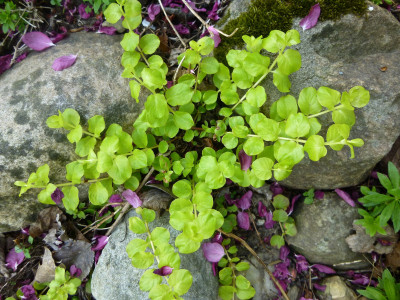
Creeping Jenny (Lysimachia nummularia) is a fast-spreading, low-growing plant valued for its bright foliage and ability to cover bare ground quickly. Often used as ground cover, it works well along pathways, under shrubs, and in areas where grass struggles to grow. Its trailing stems create a dense mat that helps reduce weeds while adding color to the landscape.
Understanding creeping Jenny growing conditions makes a big difference in how the plant performs. It grows best in moist, well-drained soil and adapts easily to full sun or partial shade. In sunnier spots, the leaves often turn a vivid yellow or gold, while shade produces softer green tones. Creeping Jenny also tolerates damp soil better than many other ground covers, which makes it useful near ponds or low areas.
Basic plant care stays simple, even for beginners. Water regularly during dry periods, especially in the first growing season. Once established, the plant needs little attention beyond occasional trimming. Cutting back long stems helps keep it tidy and prevents it from spreading into unwanted areas. In colder climates, foliage may die back in winter but returns in spring.
One of the easiest features of this plant involves propagation. The stems root wherever they touch the soil, which allows gardeners to create new plants with little effort. Simply cut a healthy stem, place it in moist soil, and water lightly until roots form. Division also works well in spring or early fall.
For gardeners who want a related plant with a more upright habit, Lysimachia punctata (yellow loosestrife) offers tall stems and bright yellow flowers, making it a good contrast to the low, trailing growth of creeping Jenny.
While creeping Jenny offers beauty and fast coverage, gardeners should monitor its spread. With light maintenance and thoughtful placement, it becomes a reliable, attractive solution for filling gaps and softening garden edges. For new gardeners, it provides quick results with minimal effort and dependable performance year after year.
Creeping Jenny can spread very fast. In some areas, it grows beyond where it is planted and takes over nearby space. Many gardeners keep it under control by trimming it often or planting it in contained areas.
Plant creeping Jenny by placing young plants or cuttings into loose, moist soil. Set the roots just below the soil surface and press the soil gently around them. Water well after planting to help the roots settle.
Creeping Jenny needs regular water, especially during dry weather. Keep the soil slightly moist but not flooded. Trim long stems to control spread and remove damaged growth. It does not need much fertilizer.
In mild climates, creeping Jenny stays green year-round. In colder areas, the leaves may die back in winter but grow again in spring.
The best time to plant creeping Jenny is in spring or early fall. These seasons allow roots to grow before extreme heat or cold.
Yes, creeping Jenny is a perennial. It comes back every year and spreads more as time goes on when growing conditions are good.
Last updated on Nov 15, 2026
Species suggested by: Dina Russell, 2020
Plant Profile compiled and written by: Team PlantShare
Contributors: Team PlantShare
 Ask Us!