



 Garden The PlantShare Way ®

~ All About Hollyhock mallow ~


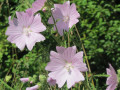
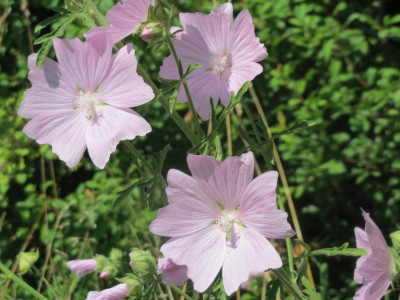
Malva alcea, commonly known as Hollyhock Mallow, is a graceful perennial that brings a soft, natural look to garden borders and meadow-style plantings. This plant is well suited for beginner gardeners because it combines visual appeal with easy care. Its tall stems and delicate, cup-shaped pink flowers bloom from early summer into late season, attracting bees and other beneficial pollinators.
When growing Malva alcea, location plays a key role in success. The plant prefers full sun, where it develops sturdy stems and abundant flowers. Light shade is also acceptable, especially in warmer regions, but too much shade may reduce blooming. Well-draining soil is essential, as soggy conditions can weaken the roots and shorten the plant’s lifespan. Once established, this perennial handles moderate drought better than many flowering plants.
Water young plants regularly during their first growing season to help roots settle in deeply. After that, Malva alcea needs only occasional watering during long dry spells. Fertilizer is rarely necessary; rich soil can actually encourage leafy growth at the expense of flowers. A light layer of compost in spring provides all the nutrients it needs.
As a long-lived perennial, Malva alcea benefits from simple maintenance. Removing spent blooms encourages continued flowering and keeps the plant looking tidy. In late fall or early spring, cut back old stems to make room for fresh growth. The plant may self-seed lightly, but it is not aggressive and is easy to manage in most garden settings.
Another closely related species is Malva sylvestris, often called tree mallow, which is valued for its deeper purple flowers and broader medicinal and culinary uses. Unlike Malva alcea, Malva sylvestris is frequently grown as a short-lived perennial or biennial and is known for its edible leaves and petals, commonly used in teas, salads, and herbal preparations.
With its airy form, reliable blooming, and low demands, Malva alcea is an excellent choice for gardeners who want a natural-looking perennial that performs well without constant attention. It fits beautifully into cottage gardens, wildlife-friendly landscapes, and mixed perennial beds.
Malva alcea grows best in full sun, where it produces strong stems and plenty of flowers. It can also tolerate light shade, especially in hot climates, but too much shade may reduce blooming and make the plant lean. For the healthiest growth, choose a spot with at least six hours of direct sunlight per day.
Malva alcea is not considered invasive, but basic maintenance helps keep it well controlled. Cutting back faded flowers limits unwanted seedlings. If the plant spreads more than you want, simply remove young shoots by hand. Regular garden care is usually enough to keep it in check.
Yes, Malva alcea can self-seed, but the process is mild and manageable. Seedlings are easy to recognize and simple to remove if they appear in unwanted areas. Many gardeners enjoy a few natural seedlings because they fill gaps without becoming a problem.
The blooming period of Malva alcea typically lasts from early summer through mid to late summer. With regular deadheading, flowering can continue longer. In favorable conditions, the plant provides weeks of soft pink blooms that add gentle color to the garden.
Last updated on May 31, 2026
Species suggested by: Dina Russell, 2020
Plant Profile compiled and written by: Team PlantShare
Contributors: Team PlantShare
 Ask Us!