



 Garden The PlantShare Way ®
~ All About Peppermint ~


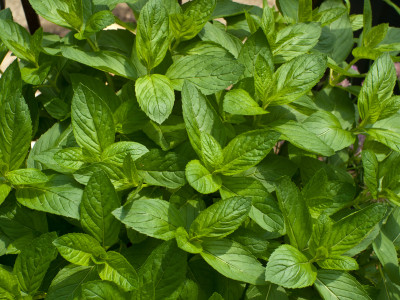
Peppermint is a popular herb valued for its fresh aroma, fast growth, and many everyday uses. If you want to grow peppermint plant successfully, it helps to understand how this herb behaves in the garden. It spreads quickly through underground runners, which makes it productive but also means it needs a bit of control. Many beginners choose to plant it in containers to enjoy steady harvests without worrying about spread.
The botanical name for peppermint is Mentha × piperita, a natural hybrid known for its strong flavor and cooling scent. This plant adapts easily to different climates, but choosing the right site makes a big difference. Proper peppermint growing conditions include partial to full sun and soil that stays evenly moist. It prefers rich, well-draining soil, though it tolerates average garden soil as long as it does not dry out completely.
Water plays a key role during the growing season. Keep the soil lightly moist, especially in warm weather, since dry conditions slow growth and reduce leaf quality. Mulching around the base helps hold moisture and keeps roots cool. Good air circulation also supports healthy growth and lowers the risk of leaf problems.
Peppermint is closely related to Mentha spicata (spearmint), which has a milder, sweeter flavor and similar growing habits, making care routines nearly identical for both herbs.
Simple peppermint care focuses on regular trimming and containment. Harvest leaves often to encourage bushy growth and prevent flowering, which can reduce flavor. Cut the plant back several times during the season to keep it compact and productive. In colder regions, peppermint dies back in winter and returns in spring without extra effort.
With the right balance of sunlight, water, and pruning, peppermint becomes one of the easiest herbs to grow. Its fast regrowth and strong flavor make it ideal for beginner gardeners who want quick results and a dependable plant for teas, cooking, and fresh garden use.
Peppermint comes from Europe and the Middle East, where it first appeared as a natural hybrid. Its Latin name is Mentha × piperita. People later spread it around the world because of its strong scent and useful leaves.
Yes, peppermint is a perennial plant. That means it comes back every year from the same roots. In cold climates, the top growth dies back in winter, but new shoots appear again in spring.
Peppermint grows best in temperate regions with moderate temperatures and regular moisture. It does well in gardens, containers, and even wild areas where the soil stays damp. You can grow it outdoors or indoors as long as it gets enough light and water.
Peppermint grows quickly by spreading underground stems called runners. These runners send up new shoots, which is why the plant fills space fast. With enough water and light, peppermint produces lots of leafy growth and can be harvested many times during the season.
Last updated on May 31, 2026
Species suggested by: Catherine Ko, 2020
Plant Profile compiled and written by: Team PlantShare
Contributors: Team PlantShare
 Ask Us!