



 Garden The PlantShare Way ®
~ All About Armenian grape hyacinth ~


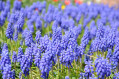
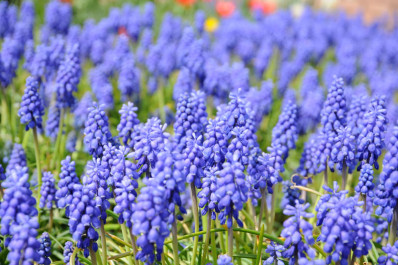
Muscari armeniacum, commonly known as Grape Hyacinth, is a small spring-blooming bulb prized for its deep blue flower spikes and easy growth. This compact plant fits perfectly along borders, pathways, and beneath deciduous trees, making it an excellent choice for beginner gardeners who want early-season color with little effort.
Successful Muscari armeniacum planting starts with choosing the right location. These bulbs prefer full sun to light shade and perform best in well-draining soil. Plant bulbs in fall, about 3 inches deep and 3 inches apart, with the pointed end facing upward. Fall planting allows roots to establish before winter, which leads to stronger blooms in spring. Once planted, bulbs can remain undisturbed for years.
Understanding Muscari armeniacum flowering time helps with garden planning. Blooms usually appear in early to mid-spring, often alongside daffodils and early tulips. The flowers last several weeks and hold their color well, even during cool weather. After flowering, allow the foliage to remain until it turns yellow, as this process feeds the bulb for the next season.
For a classic spring pairing, Myosotis sylvatica (forget-me-nots) makes an excellent companion plant for grape hyacinths. Myosotis sylvatica produces soft blue flowers that bloom around the same time, creating a layered, natural look when planted in front of or around Muscari clumps. Both plants thrive in similar conditions, including moist, well-drained soil and partial sun, and together they create a gentle transition between bulbs and later-emerging perennials.
Ongoing care is simple and beginner-friendly. Water during dry spells in spring, but avoid soggy soil, which can cause bulbs to rot. Fertilizer is rarely needed; a light layer of compost in fall provides enough nutrients. These bulbs naturalize easily, forming larger clumps over time. If overcrowding occurs, dig and divide them after the foliage dies back.
With minimal maintenance and reliable spring blooms, Muscari armeniacum offers long-term value in almost any garden. Its early color, neat growth habit, and tolerance for neglect make it a dependable bulb for gardeners who want beautiful results without complicated care routines.
Yes, Muscari is a perennial. That means it comes back year after year from the same bulbs, providing reliable spring blooms with minimal care.
The best time to plant Muscari armeniacum bulbs is in the fall, a few weeks before the first frost. Plant them three to four inches deep and about three inches apart for healthy growth.
Muscari armeniacum grows best in full sun to partial shade and well-draining soil. Plant the bulbs in clusters for a natural look. They are low-maintenance and will multiply over time, forming dense, colorful displays.
Water Muscari armeniacum moderately after planting to help bulbs settle. During the growing season, keep the soil slightly moist but not soggy. Reduce watering when the foliage starts to die back.
Last updated on Jun 19, 2026
Species suggested by: Dina Russell, 2020
Plant Profile compiled and written by: Team PlantShare
Contributors: Team PlantShare
 Ask Us!

