



 Garden The PlantShare Way ®
~ All About Wood forget-me-not ~


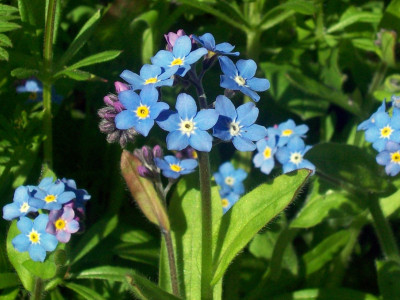
Forget-me-nots (Myosotis sylvatica) are charming, low-maintenance flowers that reward even beginner gardeners with clouds of soft blue blooms. When growing them, success starts with choosing the right location and understanding how these plants behave in the garden. Most common types, including Myosotis sylvatica, thrive in cool climates and bring a natural, cottage-style look to beds and borders.
Many gardeners use them as ground cover because they spread gently and fill bare soil in spring. Their shallow roots make them easy to manage, and they blend well with bulbs, hostas, and shade-loving perennials. However, it’s important to understand whether forget-me-not invasive behavior may be a concern in your area. These plants self-seed freely, which helps them return each year, but regular thinning keeps them from taking over nearby spaces.
For a layered and cohesive planting, forget-me-nots pair well with other spreading ground covers such as Ajuga reptans and Vinca minor. Ajuga reptans offers glossy foliage and spring flower spikes in blue or purple shades that complement forget-me-not blooms, while helping suppress weeds. Vinca minor provides evergreen coverage and periwinkle-blue flowers, extending color beyond the forget-me-not blooming season. Both plants thrive in partial shade and similar soil conditions, making them suitable companions when managed thoughtfully.
Knowing the bloom time helps with garden planning. Most varieties bloom from early to late spring, depending on climate. Cool temperatures encourage longer flowering, while heat shortens the bloom period. After flowering, plants often fade back, allowing summer perennials to take center stage.
Proper forget-me-nots plant care remains simple and forgiving. Water regularly, especially during dry spells, and remove spent flowers if you want to limit self-seeding. These plants rarely need fertilizer, and rich soil can actually lead to more leaves and fewer blooms.
Understanding their growing conditions make a big difference. Myosotis sylvatica prefers moist, well-drained soil and partial shade, though it tolerate full sun in cooler regions. Consistent moisture and airflow help prevent disease and keep foliage healthy.
With gentle management and the right setting, forget-me-nots provide lasting color and effortless beauty year after year.
Grow forget-me-nots in moist, well-drained soil. Choose a spot with partial shade or gentle morning sun. Water regularly, especially during dry weather. They grow best in cool conditions and do not need heavy feeding.
Forget-me-nots bloom in spring. In most areas, flowers appear from April to May. Cooler weather helps the blooms last longer.
Plant forget-me-not seeds in late summer or early fall for spring blooms. You can also sow seeds in early spring. Fall planting gives stronger plants the next year.
Forget-me-nots are not considered poisonous to people or pets. They are generally safe to grow in family gardens. Still, avoid eating any garden plant unless it is grown as food.
Yes, forget-me-nots spread easily. They drop seeds after flowering and often return on their own. Light thinning keeps them from spreading too much.
Most forget-me-nots grow about 6 to 12 inches tall. They spread 6 to 9 inches wide. Size can change based on soil and moisture.
Most forget-me-nots act as short-lived perennials or biennials. They often reseed, so they come back year after year without replanting.
Forget-me-nots usually bloom for 3 to 5 weeks. Cool temperatures can extend the flowering time. Hot weather makes blooms fade faster.
Last updated on Jun 23, 2026
Species suggested by: Dina Russell, 2020
Plant Profile compiled and written by: Team PlantShare
Contributors: Team PlantShare
 Ask Us!

