



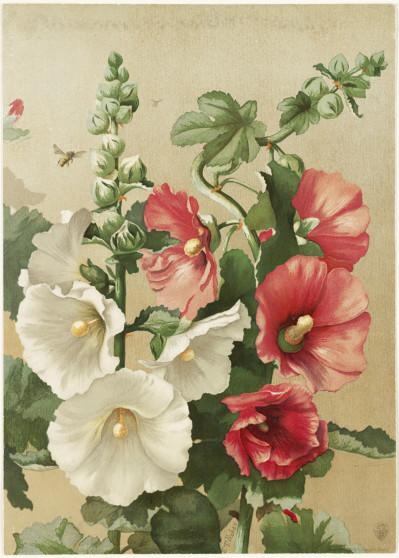
Black Alcea


 Garden The PlantShare Way ®
~ All About Althea ~


Alcea rosea, commonly known as hollyhock, is a classic garden plant valued for its tall spikes and old-fashioned charm. Gardeners often grow it along fences, walls, or the back of flower beds, where its height creates a strong vertical accent. With the right care, hollyhocks reward beginners with dramatic blooms and reliable performance year after year.
Hollyhocks prefer full sun and open air circulation. Choose a bright location with well-drained soil, as soggy ground can lead to root problems. While Alcea rosea tolerates poor soil, adding compost at planting time helps the plant grow stronger stems and produce more flowers. Water deeply during dry periods, especially in the first growing season, to support healthy root development.
Understanding hollyhocks flowering time helps gardeners plan their landscape. Most hollyhocks bloom from early to mid-summer, usually starting in June and continuing into August. In cooler regions, flowering may begin later but often lasts longer. Each tall stem opens flowers from the bottom upward, which extends the bloom display over several weeks.
Hollyhocks often grow as biennials, meaning they focus on leaf growth the first year and bloom the second year. Some plants act as short-lived perennials or reseed freely, allowing them to return without replanting. Letting a few seed heads mature encourages natural self-sowing and keeps the planting going.
In addition to Alcea rosea, gardeners may encounter Malva alcea, commonly known as musk mallow. Although it belongs to the same mallow family, Malva alcea has a more compact growth habit and produces smaller, soft pink flowers with a delicate appearance. Unlike hollyhocks, musk mallow is a true perennial and spreads gradually without becoming invasive. It prefers full sun to light shade and adapts well to poor or dry soils, making it a good companion plant in naturalistic or cottage-style gardens.
These plants need little maintenance beyond basic care. Remove spent flower stalks if you want a tidy look, or leave them in place to collect seeds. Watch for rust disease on the leaves, and remove affected foliage early to limit spread.
With their towering height, long bloom season, and cottage-garden appeal, hollyhocks remain a dependable and rewarding choice for gardeners at any skill level.
Hollyhock is usually a biennial, not a true perennial. It grows leaves the first year and blooms the second year. Some plants act like short-lived perennials because they reseed and return on their own.
Most hollyhocks grow very tall. They commonly reach 5 to 8 feet in height. In good soil and full sun, some can grow even taller.
Hollyhocks are not invasive. They do drop seeds and may spread around the garden. This spread is easy to control by removing extra seedlings.
Hollyhocks grow best in full sun with good air flow. They like well-drained soil and open spaces. Many gardeners plant them along fences, walls, or the back of flower beds.
Alcea rosea does not grow from bulbs. You plant hollyhocks from seeds or young plants. Sow seeds directly in the ground or start them indoors and transplant later.
Hollyhocks usually grow between 5 and 8 feet tall. Height depends on sunlight, soil quality, and watering. Taller growth is common in warm, sunny locations.
Last updated on May 31, 2026
Species suggested by: Team PlantShare, 2020
Plant Profile compiled and written by: Team PlantShare
Contributors: Team PlantShare
 Ask Us!