



 Garden The PlantShare Way ®
~ All About Love-in-a-mist ~


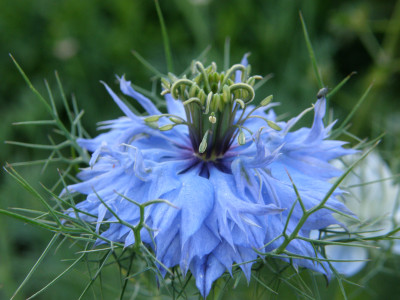
Love-in-a-mist is a graceful annual flower that brings soft color and delicate texture to spring and early summer gardens. Known botanically as Nigella damascena, this plant stands out for its airy foliage and star-shaped blooms surrounded by fine, thread-like leaves. It suits beginner gardeners because it grows easily from seed and needs very little care once established.
Success with planting Nigella damascena starts with timing and placement. Sow seeds directly outdoors in early spring, as soon as the soil can be worked. The plant dislikes transplanting, so direct sowing produces the strongest results. Choose a sunny location with well-drained soil. While it tolerates light shade, full sun encourages better flowering and sturdier stems.
Nigella damascena grows quickly and usually blooms about eight to ten weeks after planting. Flowers appear in shades of blue, white, pink, and lavender, followed by decorative seed pods that add interest long after blooming ends. Many gardeners dry these pods for arrangements or allow them to mature and self-seed naturally.
Care remains simple throughout the season. Water young plants regularly, but avoid soggy soil. Once established, love-in-a-mist handles short dry periods well. Fertilizer is rarely needed, especially if the soil already contains organic matter. Too much feeding can lead to leafy growth with fewer flowers.
One of the plant’s biggest advantages is its natural reseeding habit. If seed pods stay in place, new plants often appear the following spring without extra effort. For continuous blooms, sow seeds every few weeks through late spring.
For gardeners looking to pair love-in-a-mist with bolder blooms, Papaver orientale (Oriental poppy) makes an excellent companion plant. While Nigella damascena provides fine texture and airy movement, Papaver orientale adds dramatic contrast with its large, vibrant flowers and sturdy stems. Oriental poppies bloom in late spring to early summer and thrive in full sun and well-drained soil, making their growing requirements compatible. After flowering, poppy foliage dies back, allowing self-seeding Nigella or other annuals to fill the space and maintain visual interest.
With its light structure, fast growth, and minimal demands, love-in-a-mist fits beautifully into cottage gardens, borders, and cutting beds. It offers dependable color and charm with very little work, making it an ideal choice for gardeners at any experience level.
Grow Nigella damascena from seed. Sow seeds directly into the soil in early spring. Lightly cover them with soil and water gently. Choose a spot with good drainage, since soggy soil can slow growth.
Yes, Nigella grows well in pots. Use a container with drainage holes and light, loose soil. Sow seeds directly into the pot, as the plant does not like being moved. Keep the soil slightly moist during early growth.
Care for Nigella is simple. Water when the top soil feels dry, but do not overwater. The plant does not need much fertilizer. Remove faded flowers if you want a tidy look, or leave them to form seed pods.
Nigella damascena prefers full sun. It grows best with at least 6 hours of sunlight each day. Light shade is fine in hot climates, but too much shade reduces flowering.
Last updated on Jun 23, 2026
Species suggested by: Sally Sally, 2020
Plant Profile compiled and written by: Team PlantShare
Contributors: Team PlantShare
 Ask Us!