



 Garden The PlantShare Way ®
~ All About Japanese spurge ~


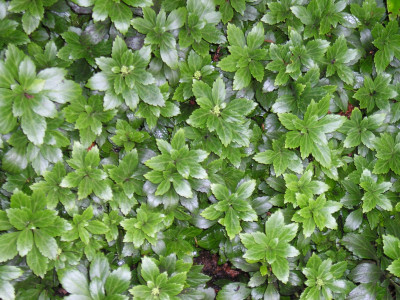
Pachysandra (Pachysandra terminalis) is a popular choice for shaded landscapes where grass struggles to grow. Valued as ground cover, it forms a dense mat of glossy leaves that suppress weeds and protect soil. Its neat appearance and adaptability make it especially appealing to beginner gardeners working with shaded beds or areas under trees.
One major benefit is that pachysandra is evergreen in most climates, keeping its rich green color throughout the year. This gives gardens structure and visual interest even in winter. However, gardeners should understand whether invasive behavior may be a concern. While it spreads steadily through underground stems, simple maintenance and defined borders usually keep it under control.
Successful pachysandra planting begins with the right site. Choose partial to full shade and well-drained soil enriched with organic matter. Space plants about 6 to 12 inches apart so they can fill in evenly. Water regularly during the first growing season to help roots establish.
Ongoing plant care remains minimal. Water during dry periods, remove debris from the foliage, and trim edges if plants spread beyond their intended area. Pachysandra rarely needs fertilizer, but a light spring feeding can encourage fresh growth.
Gardeners can easily propagate pachysandra by division. In early spring or fall, lift a clump and separate rooted sections. This method works well for transplanting and helps refresh older plantings. When transplanting pachysandra, keep the soil moist until new growth appears.
Choosing the right pachysandra companion plants enhances the overall design. Ferns, hostas, hellebores, and spring bulbs pair well and share similar light and moisture needs.
With its evergreen foliage, low maintenance needs, and ability to thrive in shade, Pachysandra terminalis offers a dependable solution for gardeners seeking long-lasting ground cover with minimal effort.
Plant Pachysandra terminalis in shaded or partly shaded areas with well-drained soil. Dig small holes, set plants at the same depth as their roots, and firm the soil gently. Water well after planting.
Remove pachysandra by digging out the plants and their underground stems. Pulling alone rarely works. Repeated removal or covering the area to block light helps weaken regrowth.
It can be invasive in some areas. The plant spreads through underground runners and can move beyond its original space if not controlled.
Deer usually avoid pachysandra. It is considered deer-resistant, though no plant is completely deer-proof.
Transplant in early spring or early fall. Dig up clumps carefully, keeping roots intact. Replant right away and water until new growth appears.
The best time to plant is spring or fall. Mild temperatures help roots establish faster.
It grows at a moderate rate. Plants slowly spread and usually fill an area in two to three years.
Propagate by dividing rooted clumps. Cut sections with roots attached and replant them in prepared soil.
It does not grow well in full sun. Too much sun can burn the leaves. Shade or partial shade works best.
Space plants 6 to 12 inches apart. Closer spacing fills areas faster.
Yes, Pachysandra terminalis is evergreen. Its leaves stay green year-round in most climates.
Yes, it is considered toxic if eaten. Keep pets from chewing on the plant.
Complete removal of roots, repeated cutting, or targeted herbicide use can kill it. Consistency is important.
Keep soil evenly moist during the first year. Remove debris from leaves and trim edges if needed. It needs little maintenance once established.
Fertilize lightly in early spring with a balanced fertilizer or compost. Too much fertilizer is not needed.
Yes, fall planting works well. Plant early enough so roots can settle before the ground freezes.
Last updated on Jun 23, 2026
Species suggested by: Dina Russell, 2020
Plant Profile compiled and written by: Team PlantShare
Contributors: Team PlantShare
 Ask Us!

