




 Garden The PlantShare Way ®
~ All About Western sword fern ~


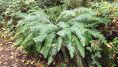
The western sword fern (Polystichum munitum) is a hardy, evergreen fern that brings lush greenery to gardens year-round. Native to the Pacific Northwest, it thrives in shaded, moist environments but can adapt to a variety of conditions with the right care. Provide rich, well-draining soil, keep it evenly moist, and protect it from harsh afternoon sun. These ferns are low-maintenance once established, making them ideal for beginner gardeners.
One of the most fascinating sword ferns facts is their ability to reproduce through spores rather than seeds. Spores are located on the underside of mature fronds. Collecting and sowing them is one way to start new plants, although it requires patience, as spores take time to germinate.
For quicker results, sword fern propagation is best done by dividing the root ball in early spring. Carefully dig up the plant, separate healthy sections with several fronds attached, and replant them immediately. This method ensures strong growth and quicker establishment.
If you are transplanting sword ferns, choose a cool, overcast day to reduce stress on the plant. Water well before and after moving it, and keep the soil consistently moist until new growth appears. Adding mulch can help retain moisture and protect roots during the adjustment period.
As a companion plant, sword fern pairs beautifully with Rhododendron indicum. This evergreen shrub thrives in similar conditions: partial shade, moist but well-draining soil, and protection from intense sun. While the fern provides soft, arching foliage at ground level, Rhododendron indicum adds structure, glossy leaves, and vibrant spring blooms in shades of pink, red, or white. Together, they create a layered, woodland-style planting that looks lush throughout the year and adds seasonal color without increasing maintenance.
While these ferns are mainly grown for ornamental purposes, there are historical references to medicinal uses in Indigenous traditions, including poultices made from fronds. However, these uses are not widely practiced today and should only be explored with proper knowledge and guidance.
Whether you are interested in their lush, tropical appearance or their unique reproduction through sword fern spores, learning proper plant care will keep these plants healthy and thriving. With a little attention, they can add lasting beauty and texture to your garden for many years.
Polystichum munitum prefers rich, well-draining soil with plenty of organic matter. A slightly acidic to neutral pH works best. Mixing in compost or leaf mold helps retain moisture while keeping the roots healthy.
Last updated on May 31, 2026
Species suggested by: Dina Russell, 2020
Plant Profile compiled and written by: Team PlantShare
Contributors: Team PlantShare
 Ask Us!