



 Garden The PlantShare Way ®

~ All About Blue star creeper ~


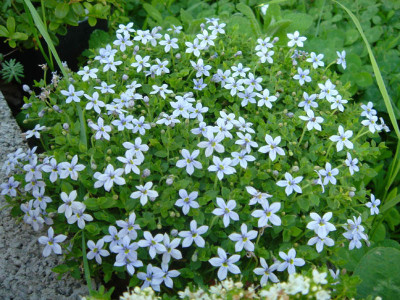
Blue star creeper (Lobelia pedunculata) is a charming, low-growing plant that works beautifully as a ground cover, filling gaps between stepping stones or creating a carpet of green dotted with tiny blue flowers. Known for its delicate appearance and quick spread, this plant can transform shaded or sunny areas with minimal effort. When using Lobelia pedunculata as ground cover, understanding its growth habits and maintenance needs ensures success in the garden.
This plant thrives in full sun to partial shade and prefers well-drained soil enriched with organic matter. Regular watering helps young plants establish, though mature plants are relatively drought-tolerant. Lobelia pedunculata produces small star-shaped flowers in spring and early summer, attracting pollinators while adding subtle color to lawns, pathways, or borders.
While easy to grow, gardeners should be aware that Lobelia pedunculata is invasive. It spreads quickly through runners, which makes it excellent for covering bare ground but may require monitoring to prevent encroachment into unwanted areas. Using barriers or planting in contained spaces helps manage its growth without compromising nearby plants.
In shaded or moist garden areas, Soleirolia soleirolii (commonly known as baby’s tears) is often used alongside or as an alternative to Lobelia pedunculata. Soleirolia soleirolii forms a dense mat of tiny, bright green leaves and prefers partial shade and consistently moist soil. Its softer texture contrasts nicely with the finer foliage of Lobelia pedunculata, allowing gardeners to layer ground covers based on light and moisture conditions.
Maintenance is simple: occasional trimming keeps the mat tidy and encourages fuller growth. Fertilizing lightly in spring supports healthy foliage and flowering. The plant also tolerates foot traffic when grown between pavers, making it a versatile option for pathways and patios.
Lobelia pedunculata offers a low-maintenance, visually appealing solution for gardeners seeking a soft, green carpet with subtle blue accents. By recognizing its spreading habit and managing it appropriately, this ground cover provides lasting beauty while minimizing work.
Lobelia pedunculata benefits from light feeding but doesn’t require heavy fertilization. Apply a balanced, slow-release fertilizer once in early spring to support healthy growth and flowering. Avoid over-fertilizing, as it can encourage excessive foliage at the expense of flowers.
This plant prefers well-drained, fertile soil enriched with organic matter. A slightly sandy or loamy mix works well, and adding compost helps retain moisture without causing waterlogging. Avoid heavy clay soils that stay wet, as they can lead to root problems.
Lobelia pedunculata grows best in full sun to partial shade. In hot climates, partial shade helps prevent the leaves from scorching, while full sun encourages more abundant flowers and denser ground coverage.
Blue star creeper pairs nicely with other low-growing or shade-tolerant plants. Suitable companions include mosses, creeping thyme, dwarf mondo grass, and small hostas. For a mixed border, add taller perennials like astilbes or heucheras to provide contrast while keeping the ground covered with its soft, starry foliage.
Last updated on May 31, 2026
Species suggested by: Dina Russell, 2020
Plant Profile compiled and written by: Team PlantShare
Contributors: Team PlantShare
 Ask Us!