



 Garden The PlantShare Way ®
~ All About Western bracken fern ~


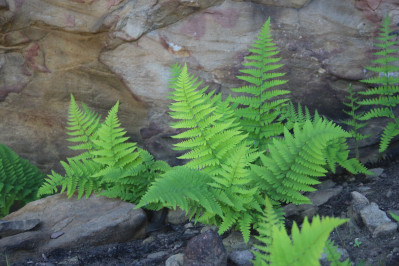
Bracken fern, specifically Pteridium aquilinum pubescens, is a widespread and hardy fern known for its large, triangular fronds and ability to thrive in a variety of habitats. This deciduous fern adds a natural, woodland feel to gardens and wild spaces, making it a versatile choice for gardeners looking to create low-maintenance greenery.
When cultivating Pteridium aquilinum pubescens, it is important to understand its growth patterns. This fern spreads vigorously through underground rhizomes, forming dense colonies over time. While its fast growth can provide excellent ground cover, it also means careful planning is needed to prevent it from overtaking other plants. Plant it in well-drained soil enriched with organic matter, and provide partial to full shade to mimic its natural woodland environment.
Watering requirements are moderate. Once established, Pteridium aquilinum pubescens tolerates periods of dryness but performs best with consistent moisture. Mulching around the base helps retain soil moisture and keeps weeds under control. Its fern fronds die back in winter, leaving a tidy natural mulch, and reemerge in spring with fresh, upright growth.
This fern is relatively low-maintenance. Occasional trimming removes dead or damaged fronds and helps manage its spread. Fertilization is rarely necessary, though a light application of compost in early spring can encourage healthy new fronds.
Gardeners should note that Pteridium aquilinum pubescens can become invasive if left unchecked. Containing it with garden edging or planting in a dedicated area helps manage its vigorous growth. Despite this, its lush, feathery foliage provides excellent texture, especially in shaded areas where other plants may struggle.
A wonderful companion to bracken fern is Polystichum setiferum, commonly known as the soft shield fern. This evergreen fern is prized for its finely textured, glossy fronds that remain vibrant throughout the year. Like bracken, Polystichum setiferum thrives in shady, woodland-like conditions with moist, well-drained soil rich in organic matter. It grows more slowly and forms neat clumps, making it an excellent partner to balance the more aggressive spread of bracken fern.
With its resilience, woodland charm, and striking foliage, Pteridium aquilinum pubescens is an ideal fern for beginners and experienced gardeners alike, offering year-round interest with minimal effort when properly managed.
Western bracken fern spreads aggressively through underground rhizomes, making it hard to control. For small areas, repeatedly digging up the roots and removing all rhizomes can reduce growth over time. In larger infestations, applying a systemic herbicide according to the label instructions can help. Smothering with thick mulch or black plastic can also weaken the plant by blocking sunlight, but persistence is needed as rhizomes can survive underground for years.
Yes, Pteridium aquilinum pubescens is considered poisonous. It contains compounds that can be toxic to livestock and, in some cases, humans if ingested in large amounts. Avoid eating any part of the plant, and take care when handling it around pets or children.
Western bracken fern is highly adaptable and grows in many soil types, but it prefers acidic, well-drained soil with moderate fertility. Sandy loam or lightly humus-rich soils work well. It tolerates poor soils better than many other plants, which is why it spreads easily in disturbed areas, woodland edges, and open fields.
Once established, western bracken fern is drought-tolerant and requires only moderate water. It prefers consistent moisture during its initial growth, but mature plants survive periods of dryness due to deep rhizomes storing water. Avoid waterlogged soils, as overly wet conditions can harm the roots and reduce vigor.
Last updated on Jun 18, 2026
Species suggested by: Dina Russell, 2020
Plant Profile compiled and written by: Team PlantShare
Contributors: Team PlantShare
 Ask Us!

